Those YouTube Health Videos Aimed at Retirees? McGill Found Fake Hosts, Fake Studies, and Advice Like ‘Skip Walking’
|
|
60 of 65
Cited Studies a Researcher Couldn’t Find
|
Millions
Views Some Videos Reportedly Draw
|
|
~1 in 4
Americans 65+ Using AI Chatbots (Pew)
|
High
Fooled Index
|
|
|
|
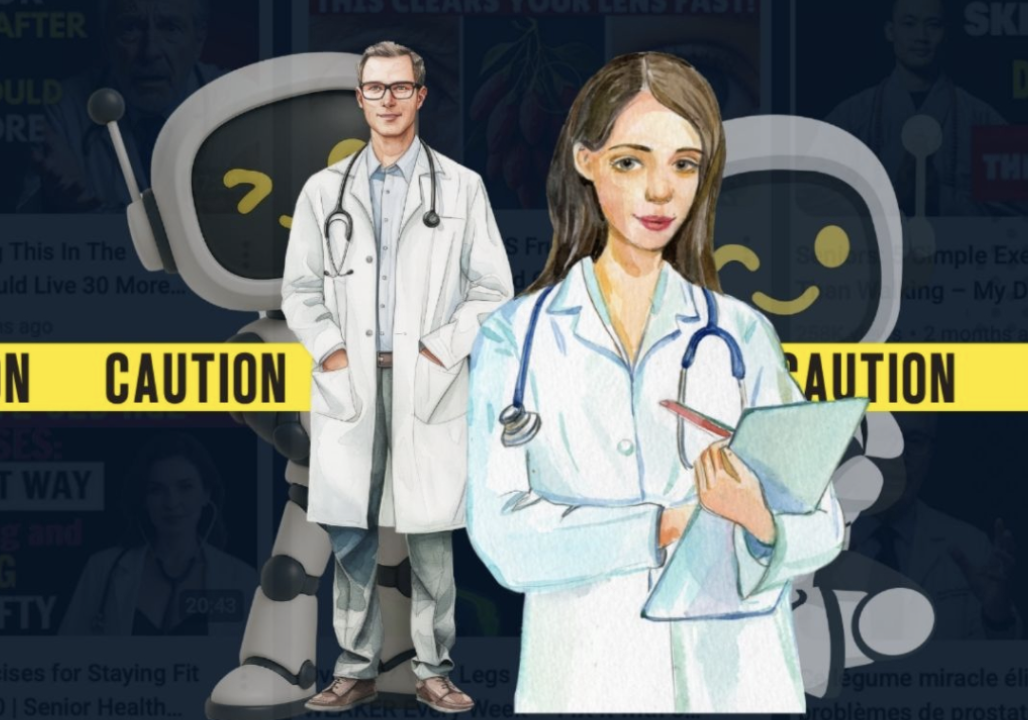
AI-GENERATED HEALTH VIDEOS — Fake hosts and invented studies, aimed at retirees.
|
|
A report from McGill University’s Office for Science and Society calls AI-generated YouTube videos that mislead seniors about health a “rapidly spreading plague,” according to Straight Arrow News. The videos go after older viewers who turn to YouTube for advice on eating right, exercising, and keeping their energy up. Among them are videos urging retirees to “skip walking” and one praising the benefits of drinking water with baking soda.
Jonathan Jarry, a science communicator at McGill who investigated them, said the host, the information, and the papers cited to support the advice can all be fake. “It’s fakery all the way down,” he said. When he checked 65 scientific citations in some of the most-watched videos, he could not track down the sources for 60 of them, which he said appear to have been invented by an AI language model. Using digital forensics, he concluded that many of the videos are likely made by content farms in Vietnam. He reported the channels to YouTube, and one has been removed, but many remain.
Jarry said the usual tells of AI, such as slightly rubbery skin, hair that looks too shiny, and a voice that is good but not fully natural, are hard to spot when you are losing your sight or hearing. That matters because Pew Research found that nearly a quarter of Americans 65 and older now use AI chatbots, and other research suggests older adults are less able to identify AI-generated images and more likely to share misinformation online.
YouTube said this summer that it would stop letting creators earn money from “inauthentic content,” added more prominent labels on AI-generated videos, and warned creators against fake authorship such as AI-generated headshots, made-up names, and false credentials. YouTube did not respond to Straight Arrow’s request for comment, and Jarry compared the problem to cutting off one head of the Hydra, with two more growing back.
If a health video makes you want to change what you eat, drink, or do, check it with your doctor or pharmacist first.
|
|
| 🩺 |
The host can be fake. Jarry says the host, the information, and the papers cited can all be made up.
|
|
|
| 📚 |
The studies can’t be found. He couldn’t trace 60 of the 65 citations he checked, and they appear to have been invented by an AI.
|
|
|
| 🌏 |
Content farms are behind many of them. His forensics point to farms in Vietnam, built to make money, not to help viewers.
|
|
|
| 🏷️ |
The tells are hard to see. YouTube added AI labels, but rubbery skin and an almost-natural voice are easy to miss with failing sight or hearing.
|
|
|
|
🚨 AI Health Advice, Fake Experts
A growing number of YouTube health videos aimed at older viewers use AI-made hosts and studies that can’t be found. They are built to attract views, not to help you. Check any health claim with your doctor or pharmacist before you act on it.
|
|
|
|
That Thanksgiving Recipe Blog by a ‘Midwestern Mom’? It May Be One of 2,116 AI-Made Sites
|
|

With Thanksgiving on Nov. 26, a report by the ad-tracking firm Decrypt Ads found a network of 2,116 fake recipe sites that use AI-generated photos and invented backstories. Each site has a different made-up owner, such as a “Midwestern mom in Illinois” or a “Michelin-star chef based in Paris,” with no notice that the person is an AI persona, according to Decrypt Ads co-founder Zach Edwards. One example was a baking site that used an AI-altered version of actress Emily Blunt’s face for a “busy mom” who loved baking. Edwards believes the sites are run by people trained to make ad money with AI tools, many of them in North Africa, and reports say few if any of the recipes have ever been cooked. The sites also carry ads that collect visitors’ IP addresses, device details, and the pages they view, which can be used to build a profile of you, and some of that data goes to ad companies in places such as Russia and China. Ads from brands including Adobe, HBO Max, Subaru, Capital One, and Sam’s Club appeared on the sites, and those companies may not know it.
|
|
YOUR REALITY DETECTOR TOOLKIT |
|
Today’s Skill: Find the Real Person and the Real Source
A friendly face and a confident voice cost nothing to fake. A real name and a real source take work.
|
|
01
|
Search for the studies a video cites
McGill’s researcher couldn’t find 60 of 65 cited papers. If a title or author doesn’t turn up in a search, don’t trust the claim.
|
|
|
|
02
|
Check whether the expert is a real person
The recipe “authors” had long backstories but borrowed faces. A real doctor or cook has a clinic, a school, or a cookbook you can find, and photos that don’t appear on other sites.
|
|
|
|
03
|
Ask your doctor or pharmacist before you change your routine
A video can’t know your medicines or your health history. A health video is not a medical visit.
|
|
|
|
|


