I’m standing in line at the post office when a post on my phone stops me. It shows a crying child in a flooded street, with a bank QR code underneath and the words “Share to help.” The picture is heartbreaking, and my thumb moves toward the code before I’ve even thought about it.

Then I look at the picture a little longer. There is no charity name, no town, and no news story, just a sad photo and a way to send money. I stop and think about who it is that wants me to hurry.

So I looked into it. Here’s what I found.

Elon Musk’s Next Partnership: Buy This Stock Now

In April 2026, Elon Musk announced he was partnering with Intel.

The result?

Shares took off…

And were trading 177% higher just two months later.

I believe Elon is about to announce a NEW partnership with this little-known company…

To work on what he called "the most epic AI project in history."

But you need to act fast…

Because Elon has already approached this company.

I believe he's going to make it official by October 30…

Which should send shares higher than anyone can imagine.

TODAY’S REALITY CHECK

A Government Minister Warns of AI-Made ‘Sympathy Scams’: Fake Distress Pictures With a Bank QR Code Attached

174,099

Scam-Post Takedown Requests in 2026

102,113

Takedown Requests in All of 2025

98%

Share of Requests Platforms Removed

Medium

Fooled Index

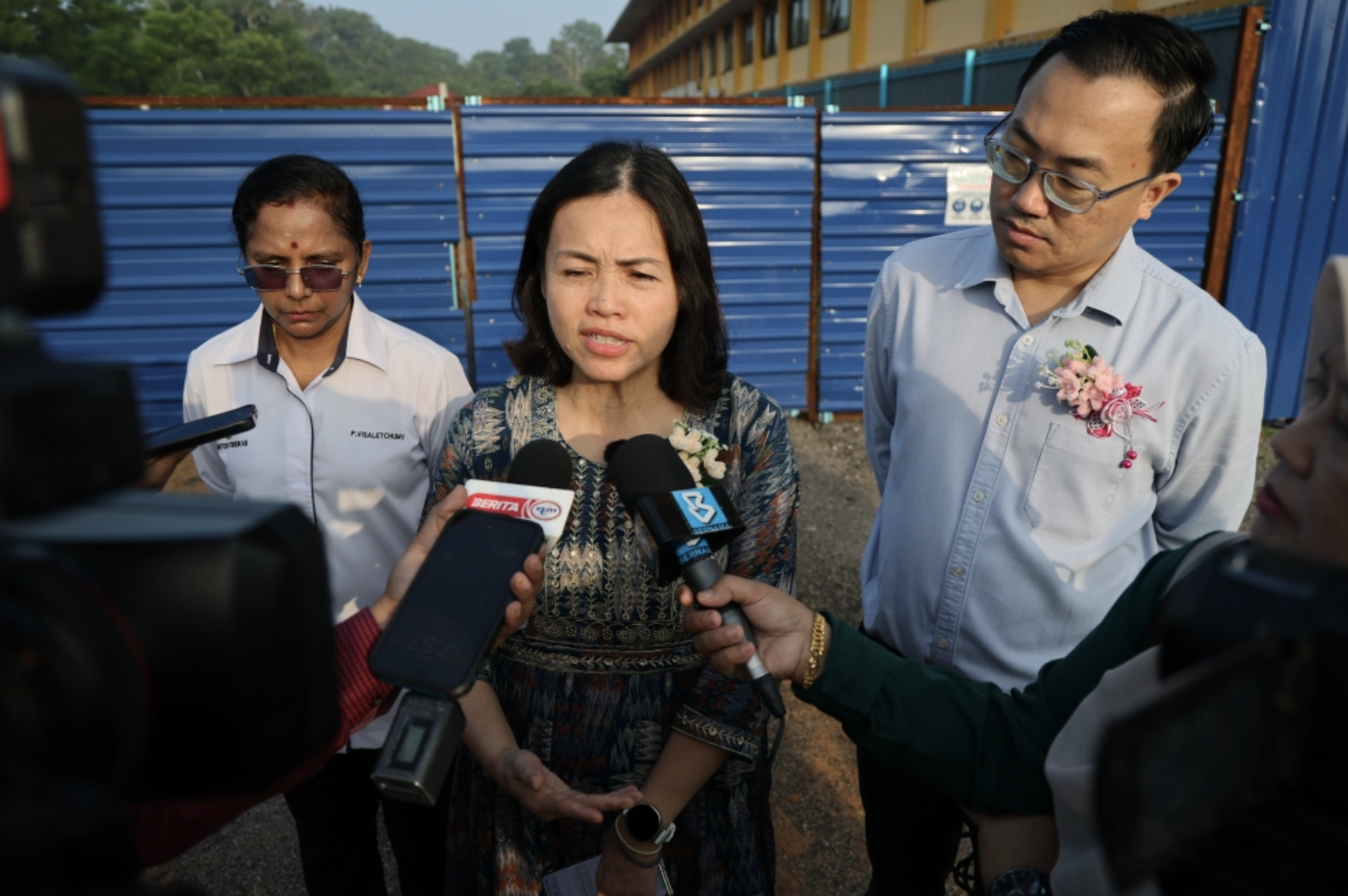
A government minister speaking at a press conference about AI-powered sympathy scams that use fake distress images and bank QR codes to collect donations

SCAM WARNING — A sad picture and a QR code are not proof of a real charity.

On Nov. 2, 2026, Malaysia’s Deputy Minister of Communications, Teo Nie Ching, warned the public about what she called the latest “sympathy scam.” Scammers are using AI to make emotional pictures of people in distress and pairing them with QR codes linked to bank accounts, so a viewer can send money with one scan.

Several suspected AI-generated posts have circulated recently showing distressing scenes with QR codes for donations. Social media users noticed inconsistencies and implausible details in the pictures, which made them suspect the images were made with AI. Teo also said her ministry had received complaints from people whose photographs and names were used without permission to ask for donations.

The numbers show how large the problem has become. According to Malaysia’s communications regulator, social media platforms received 174,099 requests to remove scam-related posts as of Oct. 15 this year, up from 102,113 in all of 2025. Platforms removed 170,633 of this year’s requests, about 98%, which Teo said reflects how clear-cut most of the deception is.

Teo urged people to verify any appeal before donating and not to let anyone exploit their compassion. She advised people whose photos or identities have been misused to file a police report so investigators can trace the bank account holders, and to report suspicious posts to the regulator.

The same trick can work anywhere. Consumer agencies such as the FTC say fake charities often appear right after a disaster or big news event. Before you give, look the group up in the IRS Tax Exempt Organization Search or on a watchdog site such as BBB Wise Giving Alliance, Charity Navigator, or CharityWatch, and give through the charity’s own website instead of a code or link in a post.

🖼️

The pictures have implausible details. Social media users spotted inconsistencies that made them suspect AI.

🏦

A QR code goes straight to a bank account. The posts pair distress scenes with codes tied to personal bank accounts, not to a registered charity.

👤

Real people’s names and photos were misused. The ministry received complaints from people whose pictures were used without permission.

📈

The volume is growing fast. Takedown requests for scam posts reached 174,099 by mid-October, already well above all of last year.

SCAM ALERT

🚨 AI-Made Sympathy Scams

The warning is about a type of scam post, not one single picture. Fake appeals use AI-made distress images, QR codes tied to bank accounts, and real people’s stolen photos to ask for money. Check any appeal yourself before you give.

YOUR REALITY DETECTOR TOOLKIT

Today’s Skill: Verify the Charity Yourself Before You Give

Giving is kind. Checking first is kinder to the people you actually want to help.

01

Look the group up in an official or watchdog database

The IRS Tax Exempt Organization Search, BBB Wise Giving Alliance, Charity Navigator, and CharityWatch all list real charities. A real charity shows up there, and a picture with a QR code does not.

02

Give through the charity’s own website

The Malaysian posts used QR codes tied to bank accounts. Type the charity’s address yourself instead of scanning a code or tapping a link in a post.

03

Be wary of pressure and unusual payment methods

The FTC warns that anyone who asks for cash, gift cards, wire transfers, or crypto only is likely a scammer. A real charity will gladly take your gift tomorrow, after you’ve checked.

“Trust, but verify.”

— Ronald Reagan