I’m on a long drive with an audiobook playing, one I’ve been enjoying for weeks, when it hits me that I have never once wondered who is reading it. The voice is warm and steady. I assumed it belonged to a person, the way I assume a radio host does.

This week Audible told the book world that half of its listeners would be happy to try an AI narrator. That made me curious how many of us would even know the difference.

So I looked into it. Here’s what I found.

$3 Trillion Ticking Time Bomb in the Market

There's a ticking “time bomb” under your retirement account, your annuity, your pension, your stock and bond portfolio and your bank — even in places where you think your money is safe.

The size of this time bomb?

$3 TRILLION!

Reuters reports, “alarm bells echo 2007 subprime warnings.”

But nobody in power is listening.

So today, I want to talk to you directly about this new crisis.

And the 5 specific steps you can take to protect your wealth and potentially come out ahead.

TODAY’S REALITY CHECK

Is Your Audiobook Narrator Real? Half of Audible’s Listeners Say They’d Try an AI Voice

50%

Listeners Open to AI Narration

65%

Who Follow a Narrator They Like

42%–66%

Openness, Germany to Japan

18,000

Listeners Surveyed

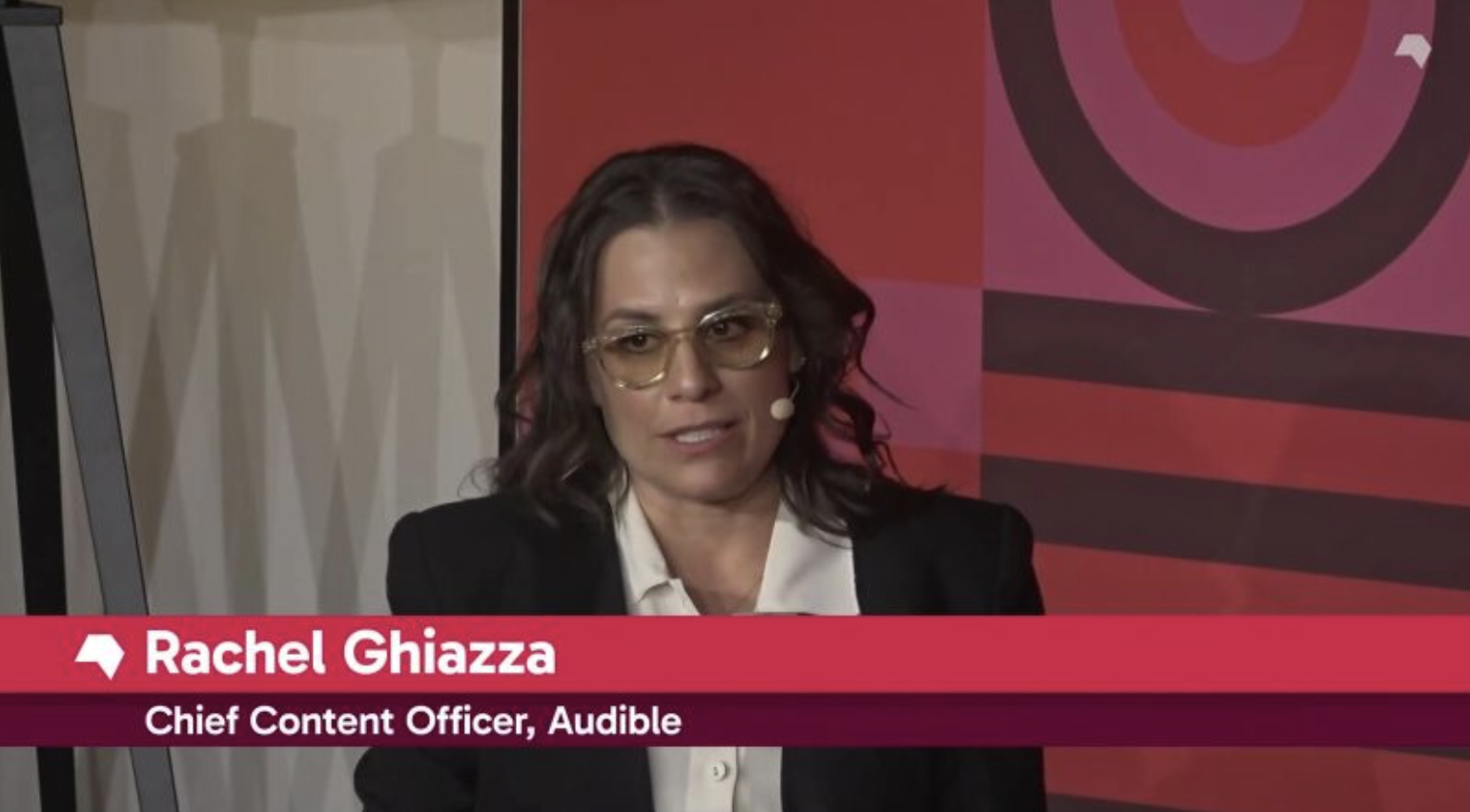
A woman speaking on stage at the Frankfurt Book Fair with a screen behind her showing results of a listener survey about AI narration

SURVEY — Audible’s own research, presented at the Frankfurt Book Fair.

At the Frankfurt Book Fair this month, Audible’s chief content officer, Rachel Ghiazza, presented a study that NielsenIQ ran for the company, called “The Future of Listening.” It surveyed 18,000 listeners in 11 countries, including the U.S. Half said they are open to trying AI-narrated content.

The share varied by country, from 42% in Germany to 66% in Japan. In most countries, listeners were most open to AI narration for fiction, while listeners in Germany and Japan preferred it for non-fiction.

The same survey found that people still care about the human voice. After genre and topic, the narrator is the third thing listeners use to choose a book, and 65% said they look for more books by a narrator they like. Ghiazza described Audible’s approach as “an and strategy”: human performers stay, and savings from AI tools are meant to pay for more titles. She also said that “quality and transparency are critically important.”

There are caveats. Publishing Perspectives noted that saying you’re open to AI is not the same as buying it, and Audible has not detailed how the survey was done. Audible also expects to use AI tools across the whole production process, from planning a narrator’s sessions to producing some titles, with big multi-voice productions at one end and less costly productions for niche or long-form books at the other.

How can you tell who is reading? Audible labels AI-voiced titles made with Amazon’s tools “Narrated by: Virtual Voice,” and TechCrunch reported in 2025 that more than 50,000 titles carried that label. Industry guides say other major stores, including Spotify’s audiobook service, also ask publishers to disclose AI narration. A label only helps if you look for it, so check the “Narrated by” line before you buy.

🎧

Half would try an AI voice. 50% of the 18,000 listeners surveyed said they are open to AI-narrated content.

🌍

It varies by country. Openness ranged from 42% in Germany to 66% in Japan.

🗣️

People still follow human voices. 65% look for more books by a narrator they like, and the narrator is the third factor in choosing a book.

🏷️

There is a label to look for. Audible marks AI-voiced titles “Narrated by: Virtual Voice.”

SURVEY

🎧 Half Will Try an AI Voice

Audible’s survey says half of listeners are open to an AI narrator, and most still follow human narrators they love. The practical question for you is whether you can tell which one you’re getting, so check the “Narrated by” line before you buy.

YOUR REALITY DETECTOR TOOLKIT

Today’s Skill: Check Who, or What, Is Behind the Voice

A good voice is easy to trust. A label and a little skepticism are better.

01

Read the “Narrated by” line before you buy

Audible marks AI-voiced titles “Virtual Voice.” The label tells you whether a person or an AI voice is reading, but only if you look for it.

02

Play the sample first

Most audiobook stores let you hear a few minutes before you buy. A sample lets you judge the voice yourself, whoever or whatever is behind it.

03

Treat a company’s own survey as a starting point

Saying you’re open to AI isn’t the same as buying it, and Audible hasn’t shared its methods. A survey commissioned by the seller is a reason to look closer, not a final answer.

“Trust, but verify.”

— Ronald Reagan