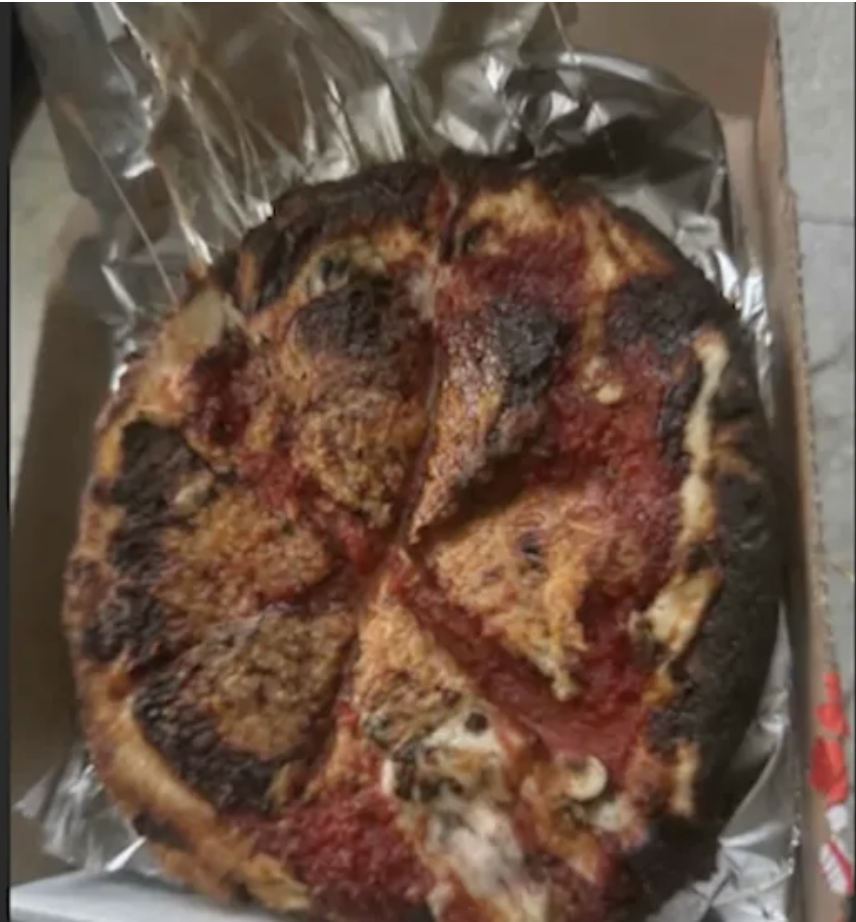
A DoorDash Customer Sent a Photo of a Burnt Pizza to Get a Refund. The Pizza Never Burned.
|
|
2.1M+
Views on X
|
14K+
Reposts
|
|
< 24 hrs
To debunk
|
Low
Fooled Index
|
|
|
On or around November 11, a DoorDash customer going by “Dani B” ordered a Chicago-style deep-dish pizza from Masa of Echo Park, a family-owned restaurant in Los Angeles. After the delivery arrived, Dani B sent a photo to DoorDash showing a pizza that looked like a lump of charcoal, and they demanded a full refund. The message read: “its burnt to heck. burnt. black. cant eat it.”
Masa’s owner, Rhonda Reynolds, told KTLA 5 she knew right away something was wrong. Masa takes pride in its quality control, and a pizza that burnt would never leave the kitchen. Reynolds uploaded the photo into a free app called “Is This AI,” and the app returned a 96 percent confidence score that AI had made the image. Then she pulled up the restaurant’s kitchen security camera footage, and the video showed her staff placing an unburnt, normal-looking pizza into the customer’s delivery box.
Local journalist Pablo Goldstein at L.A. Material News broke the story, and KTLA 5 picked it up from there. The segment went viral across PetaPixel, PopSci, and Yahoo News. Reynolds said this kind of AI-powered refund scam is something she expects other small restaurant owners to face more and more, because the tools to make a fake food photo are free and take seconds to use.
DoorDash initially issued an automatic refund to the customer, but after Reynolds disputed the claim with her evidence, the refund was reversed.
|
|
| 🎥 |
The security camera told a different story. Kitchen footage showed staff making and boxing a perfectly normal pizza for the order. No burning, no charring, no smoke.
|
|
|
| 🧰 |
The foil was too clean. The aluminum foil lining the box had no grease, no melted cheese, and no wrinkles from an actual hot pizza sitting on it. A real burnt pizza would leave a mess.
|
|
|
| 🤖 |
An AI detection app flagged it at 96%. Reynolds ran the photo through the free “Is This AI” app, and it came back 96 percent sure that AI had made the image.
|
|
|
| 💬 |
The message itself was a giveaway. Dani B wrote “its burnt to heck. burnt. black. cant eat it” — short, panicky, no punctuation. It read less like a real complaint and more like someone typing a description into a chatbot.
|
|
|
|
🚨 100% AI-Generated Photo
Someone used an AI tool to create a fake photo of a burnt pizza and sent it to DoorDash to steal a refund from a small family restaurant. The owner caught it with a free detection app and her own security cameras. This is one of the highest-profile cases of a consumer using AI-generated food photos to run a refund scam against a named, specific restaurant — and it probably will not be the last.
|
|
|
|
North Korean Hackers Stole $400 Million Through Fake Zoom Calls Using Stolen Webcam Footage of Earlier Victims
|
|
https://beehiiv-images-production.s3.amazonaws.com/uploads/asset/file/5a469c83-afbd-4af6-b9c5-75def136e4bb/crypo.png?t=1794998964
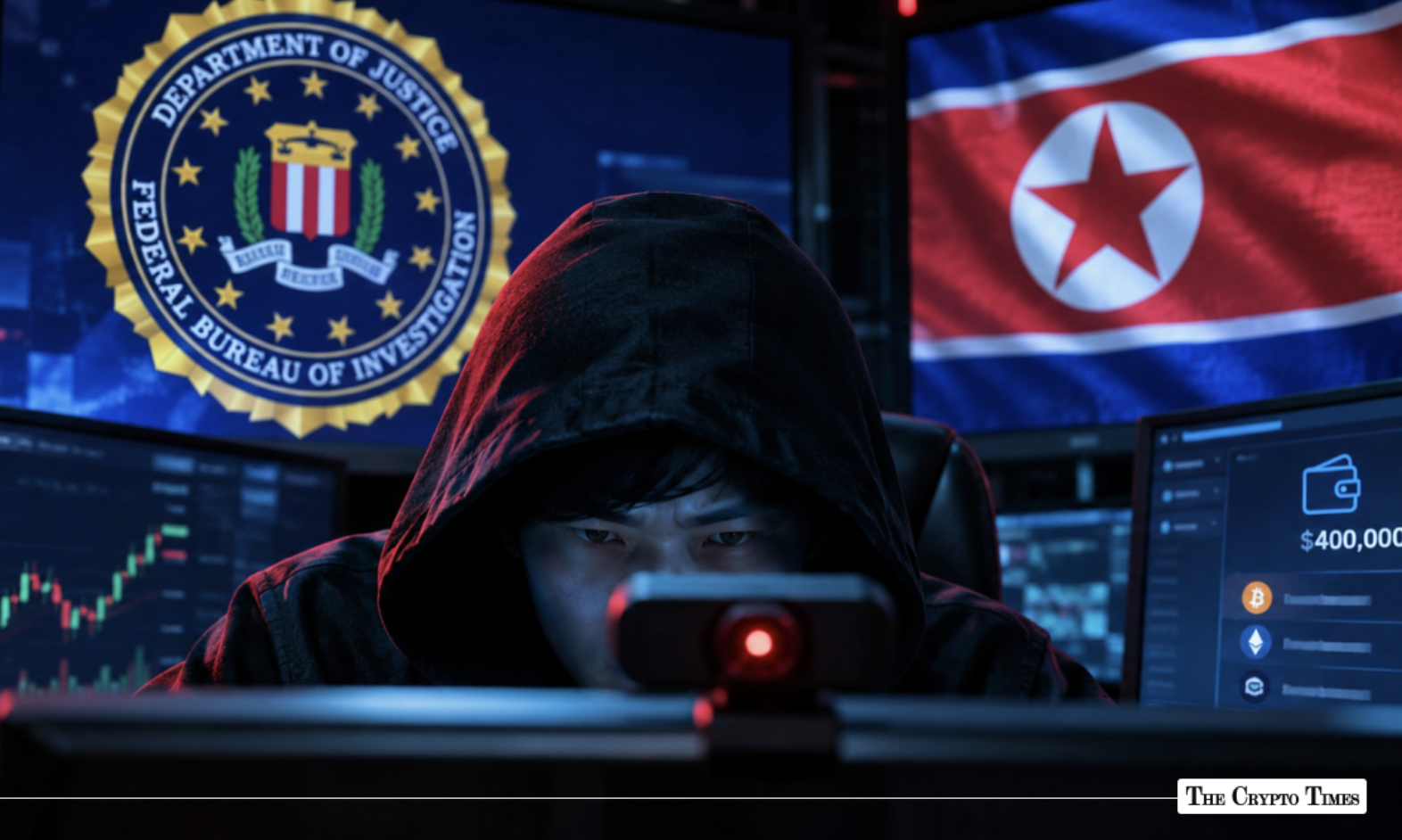
On November 12, the FBI and the Department of Justice announced they had taken down a North Korean hacking operation called FaceStealer. The hackers, tied to a group known as Sapphire Sleet, hijacked the chat accounts of people they had already hacked, then used those accounts to invite their contacts to fake Zoom and Microsoft Teams calls. When the target joined the call, the hackers played pre-recorded webcam footage of the person the target expected to see, so the call looked normal. While the target waited for “audio to connect,” the hackers recorded the target’s own webcam and installed malware that drained their crypto wallets. The FBI seized more than 900 webcam recordings of victims and said the scheme stole over $400 million in cryptocurrency over 18 months.
|
|
|
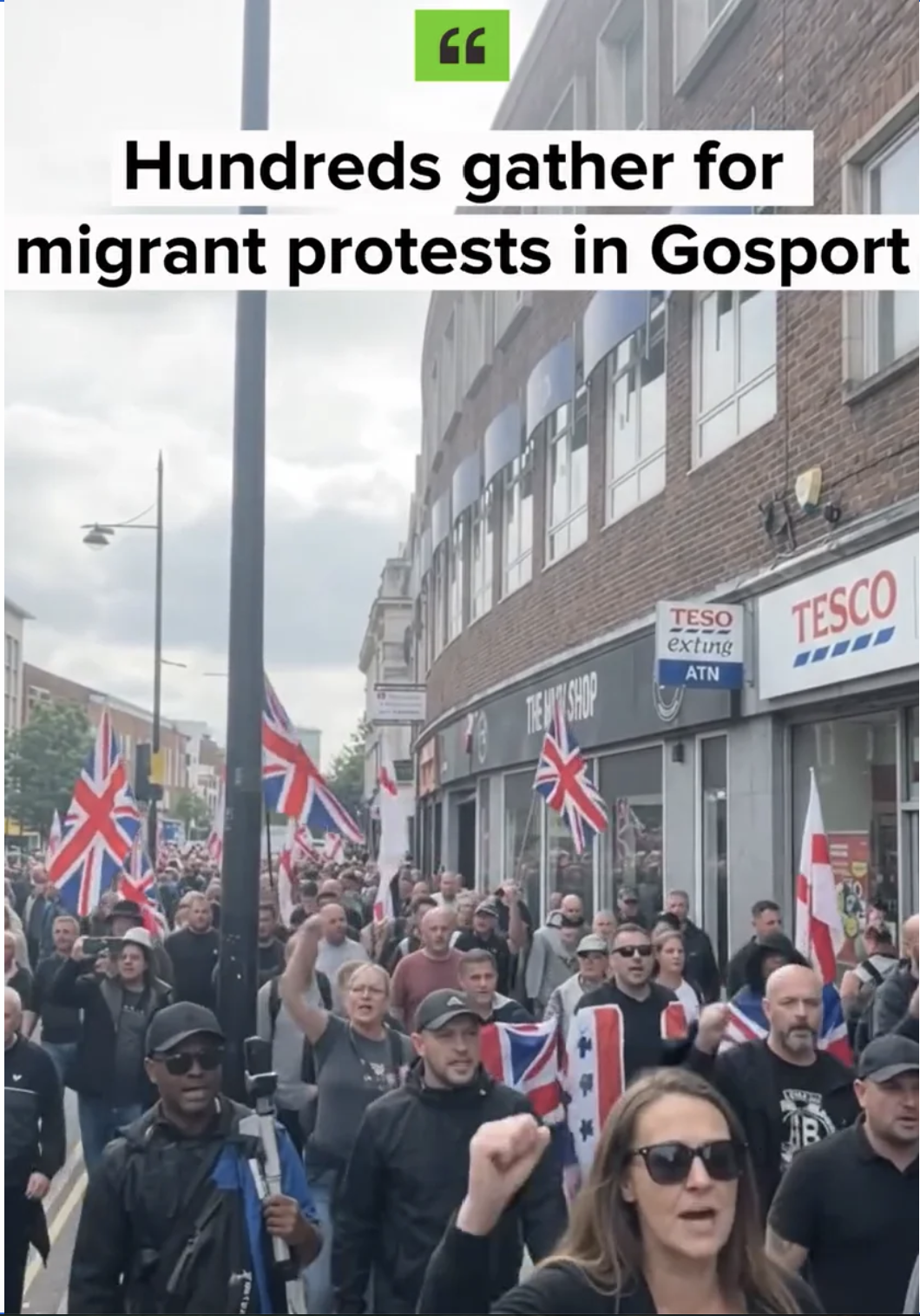
Facebook Page “UK Today” Posted an AI-Made Video of an Anti-Immigration Protest in Gosport, England — the Protest Happened, but the Video Did Not
|
|
https://beehiiv-images-production.s3.amazonaws.com/uploads/asset/file/85663ce2-6875-4d4e-bec7-2fe1a991a436/Gosport_Anti-Immigration_Protest.png?t=1794998967
A Facebook page called “UK Today” posted a video on November 8 showing what it claimed was a crowd in Gosport, England, chanting “Deport” during an anti-immigration march. Real protests did take place in Gosport, but someone made this specific video with AI — and the page even included a small AI disclaimer at the bottom of the caption that most people scrolled past. Lead Stories ran the clip through Hive Moderation and Google’s SynthID tool, and both confirmed AI made it. One red flag: the audio had more clapping sounds than the number of people in the video who were visibly clapping.
|
|
|
Elderly Woman in Kastoria, Greece, Locked an AI Voice-Clone Scammer in a Room After a Fake Call From Her “Daughter”
|
|
On November 12, an elderly woman in a village near Kastoria, Greece, picked up her phone and heard her daughter’s voice. The voice told her that a friend named “Dimitris” would be coming by to insure her jewelry, her house, and her appliances, and that she should hand everything over to him. A man showed up at the door shortly after. But when the woman visited her sister for coffee and mentioned the call, her sister told her to phone her daughter directly — and her real daughter had no idea what she was talking about. The woman rushed home, locked her husband inside the room with the scammer to stop him from leaving, and called her sister to alert the police. Greek City Times and local outlets reported that the call used an AI-cloned copy of her daughter’s voice.
|
|
YOUR REALITY DETECTOR TOOLKIT |
|
Today’s Skill: Spotting Fake Photos Used in Scams Against You
AI-generated photos are no longer just about politics and celebrities — people are now using them to steal money from you and your favorite local businesses.
|
|
01
|
Ask yourself: does this photo match what I know?
Rhonda Reynolds knew a burnt-black pizza would never leave her kitchen because she runs the kitchen. If someone sends you a photo to back up a complaint or a claim, think about whether the thing in the photo could have happened the way they say it did. Your own common sense is the first and best filter.
|
|
|
|
02
|
Look at the stuff around the main subject.
AI tools are good at making the main thing look right, but they often miss the small details nearby. In the burnt pizza photo, the foil was perfectly clean under a pizza that should have been dripping grease and melted cheese everywhere. When you see a photo that someone is using to ask for money or make a claim, look at the edges, the background, and the surfaces around the subject.
|
|
|
|
03
|
If a photo is tied to a demand for money, slow down.
Dani B sent a photo and immediately asked for cash back. That pattern — shocking photo plus urgent demand for money — is the shape of most AI-powered scams now, from fake burnt food to fake injured pets to fake emergencies. Anytime someone shows you a photo and then asks for money in the same breath, treat the photo with extra suspicion.
|
|
|
|
|