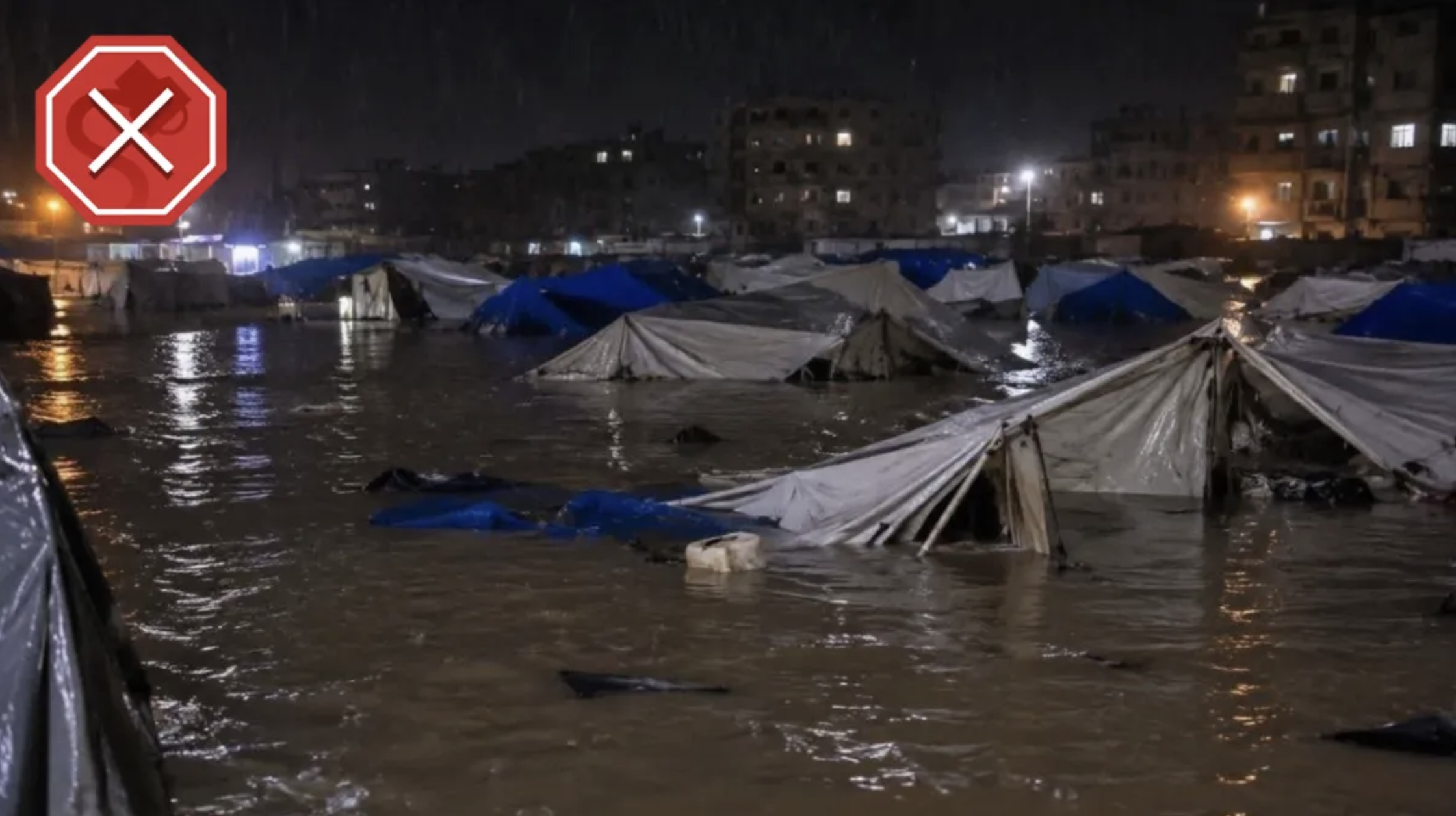
An AI-Made Photo of Flooded Tents in Gaza Fooled Millions — Including a Member of British Parliament
|
|
Millions+
Views across platforms
|
Thousands
Reposts
|
|
~48 hrs
To debunk
|
High
Fooled Index
|
|
|
In early November, heavy rain flooded more than 70,000 tents across Gaza, where about 1.4 million people — roughly 65% of the population — live in tents or makeshift shelters, according to the United Nations. The suffering is real and well-documented, with dozens of authentic photos from news agencies showing the damage. But an AI-made image began spreading across social media around the same time, and it spread faster than any of the real ones.
The image showed blue and white tents half-sunk in murky water at night, with buildings in the background and light from windows and streetlights reflecting across the water’s surface. An X user named @ahmed_nashwan1 posted it, and from there it moved fast. Posts of the image across social media pulled in millions of views and reactions, and hundreds of commenters appeared to believe it was a real photograph. Jeremy Corbyn, a member of British Parliament, shared it before deleting his post. Snopes later archived the deleted post.
OpenAI’s own detection software found an OpenAI watermark embedded in the image, which means someone made it using an OpenAI tool like ChatGPT or DALL-E. Digital forensics expert Hany Farid pointed out a second tell: when you zoom in on the pixels, the image shows a star-like grid pattern — the kind OpenAI’s system leaves behind when it builds a picture from scratch.
This is what makes this fake so dangerous. The flooding in Gaza is a real crisis, and real photographs of it exist. Someone chose to make a fake one anyway, and that fake image now gives people a reason to doubt every photo coming out of Gaza — including the real ones.
|
|
| 💧 |
The water is too smooth. Real floodwater is choppy and full of debris. The surface in this image reflects light like glass — flat and even from edge to edge, the way a computer draws water when nobody tells it to add mud, trash, or ripples.
|
|
|
| 👁 |
OpenAI’s own watermark gave it away. OpenAI hides a digital watermark inside every image its tools create. OpenAI’s detection software found that watermark in this photo, which means an OpenAI tool made it.
|
|
|
| 📈 |
The pixels form a star-like grid. Digital forensics expert Hany Farid spotted a repeating dot pattern when he zoomed in — a known fingerprint of how OpenAI builds images from scratch, one section at a time.
|
|
|
| 🏢 |
The buildings have no detail. The structures in the background have bright squares where windows should be, but no frames, no ledges, no texture — just flat shapes pasted onto walls.
|
|
|
|
🚨 100% AI-Generated
Snopes confirmed this image is AI-made. OpenAI’s own detection tool found its watermark in the file. The flooding in Gaza is real and devastating — more than 70,000 tents have flooded this month — but this particular photo never existed in the real world. Real news photos of the same crisis are available from the United Nations and wire services like Reuters and the Associated Press.
|
|
|
|
Deepfake Videos Show Trump Announcing a 90-Day Blackout — and Selling Crypto
|
|
https://beehiiv-images-production.s3.amazonaws.com/uploads/asset/file/5b897d5d-6e48-4ca0-ba5f-fe14a410503d/Trump_announcing_90-day_blackout.png?t=1794912467
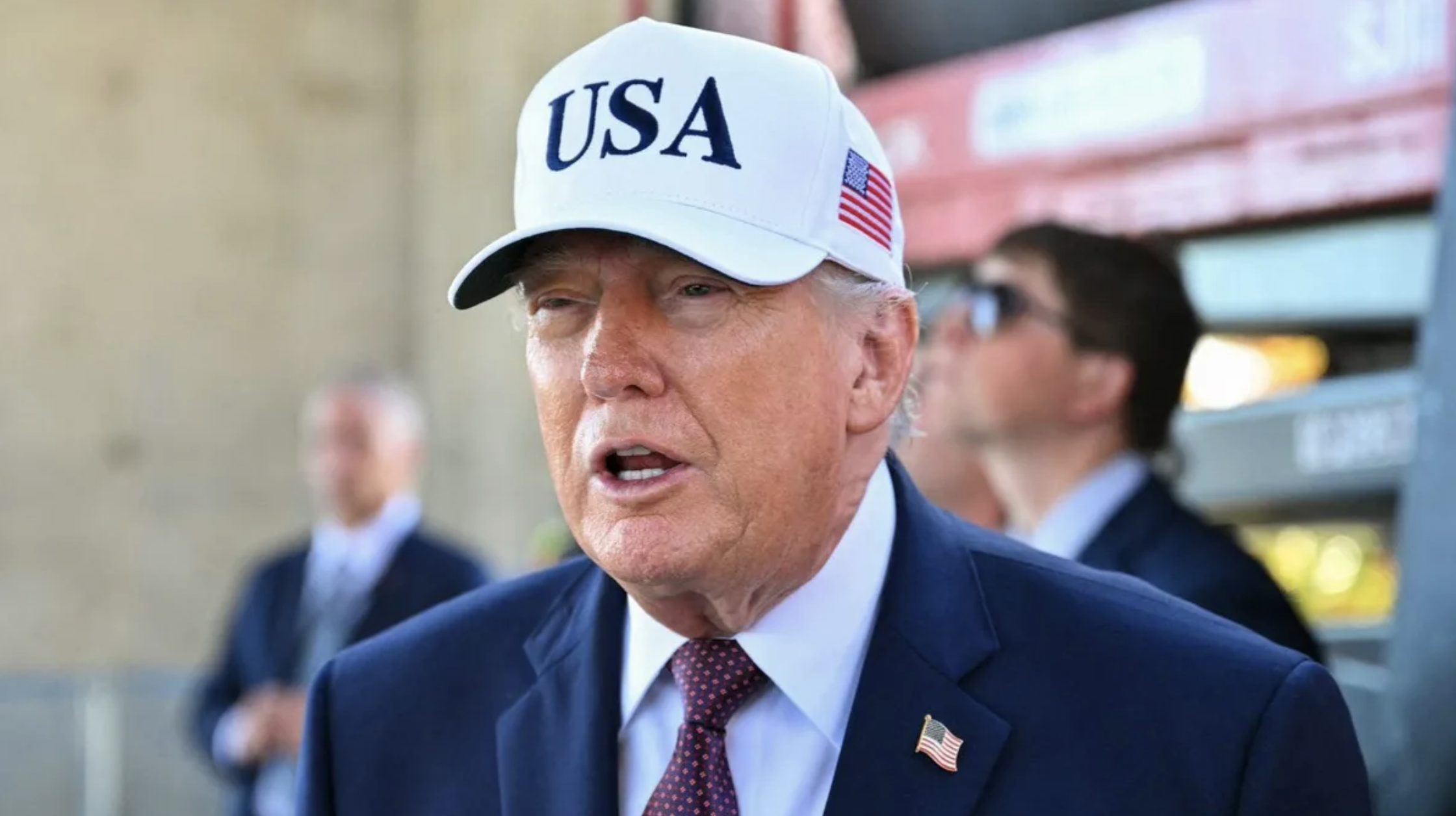
Starting around November 6, videos appeared on Facebook and Instagram showing what looked like President Trump telling the country its power grid would go dark for 90 days. A user called Shythechosen posted one version with the text “TRUMP CONFIRMS NO POWER FOR 90 DAYS” overlaid on the screen. Someone had used AI to alter Trump’s mouth movements and audio — the real footage came from a speech where he was criticizing Democratic candidates before the midterms, not talking about blackouts. The deepfake then pivoted to promoting cryptocurrency tokens as a way to make money during the outage, which is a scam. Snopes rated the whole thing Fake on November 10.
|
|
|
AI Collage Shows Trump, Netanyahu, and Macron with Tape on Their Phones — None of It Happened
|
|
https://beehiiv-images-production.s3.amazonaws.com/uploads/asset/file/7a2a737f-1c49-4939-a8ba-f03ed28d629a/FAKE_Photo.png?t=1794912471
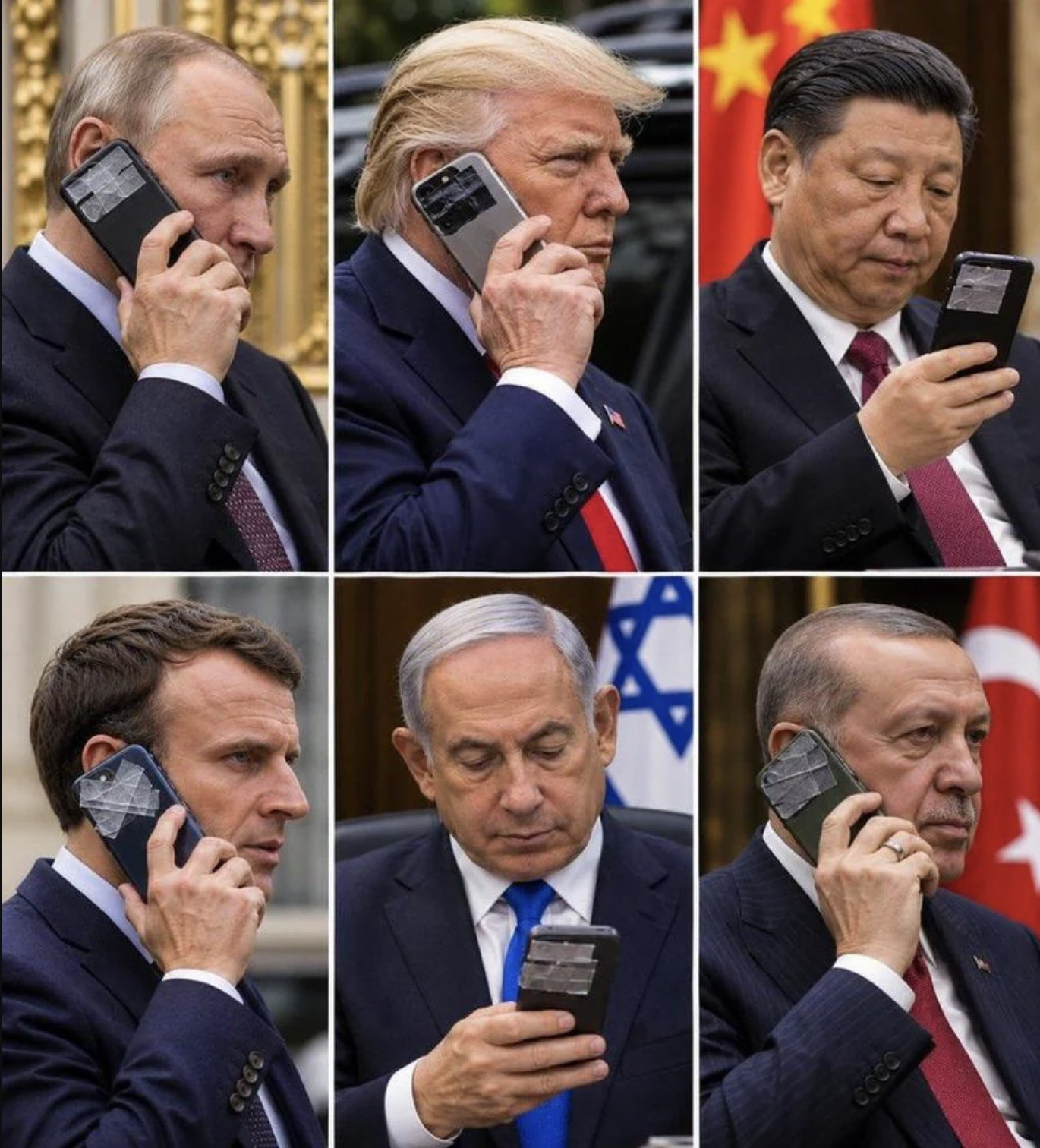
On November 11, an X account called @defense_civil25 posted a collage of six world leaders — including Donald Trump, Benjamin Netanyahu, and Emmanuel Macron — holding up phones with tape over the cameras. The image spread as if it documented a real security meeting. Lead Stories ran it through three detection tools: Hive Moderation scored it 98.5% likely AI-generated, Sightengine scored it 97%, and the SynthID Detector found an OpenAI watermark hidden in the file. No real photo from any news agency, government, or press pool matches this scene.
|
|
|
AI Images Claimed France Lit the Eiffel Tower Blue for Democrats’ Midterm Wins — It Didn’t
|
|
https://beehiiv-images-production.s3.amazonaws.com/uploads/asset/file/31b7d0db-17d0-4edf-ba33-a5530a020db2/The_Eiffel_Tower_glowing_blue.png?t=1794912473
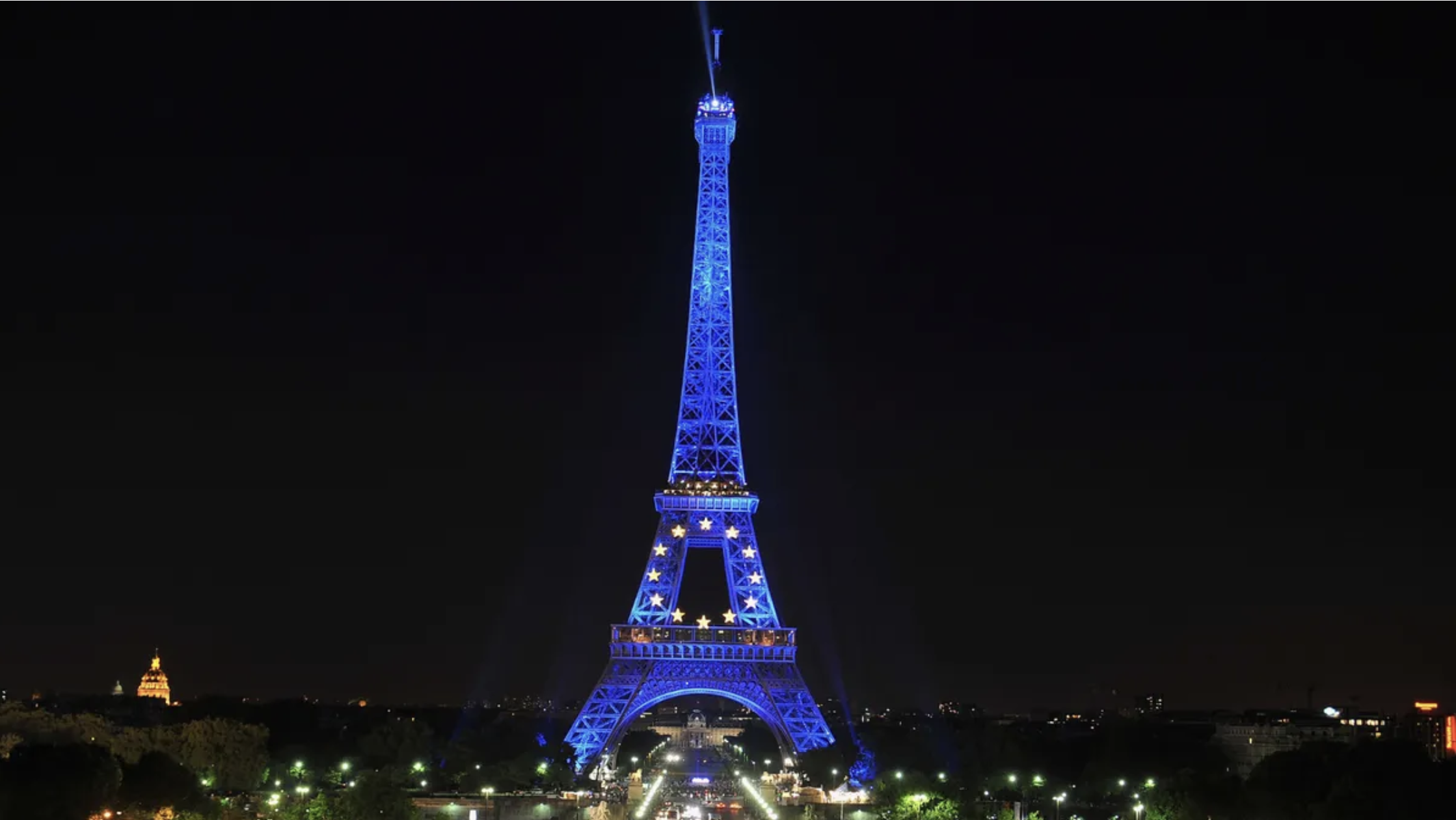
After Democrats won key races in the November 3 midterms, images spread online claiming France lit the Eiffel Tower blue “in solidarity” with the results, and that Rome did the same with the Colosseum. Snopes found that AI tools made some of the images, and that the rest came from old photos taken on other occasions when the landmarks turned blue for other reasons. Lead Stories ran five detection tools on the images and confirmed they contained AI-generated content. Neither the French government nor the Eiffel Tower’s operators said anything about American midterm results, and no news outlet reported the display.
|
|
YOUR REALITY DETECTOR TOOLKIT |
|
Today’s Skill: The “Real Crisis, Fake Photo” Test
When a real event is happening, fake images of it spread even faster — because your brain already believes the story.
|
|
01
|
Check if a real news outlet has that same photo.
When something big happens, news agencies like Reuters and the AP send photographers. If no news outlet is using a particular photo, that photo may not be real. The Gaza flooding had plenty of real photos from real journalists — the AI one spread because nobody stopped to check whether Reuters or the BBC had published it first.
|
|
|
|
02
|
Ask yourself: is there only one photo?
A real event creates many photos from many angles. If you can only find one image of a scene, and that one image is the thing going viral, treat it with more care. Jeremy Corbyn shared the Gaza tent photo, but if he had searched for other photos of the same scene, he would not have found any — because the scene never happened.
|
|
|
|
03
|
Notice when a photo makes you feel something strong — and ask why.
The Gaza tent photo had perfect framing, perfect lighting, and a wide clean shot at night with no blur and no mess. When a crisis photo looks too clean and too composed, slow down before sharing it. Real disaster photos come from people standing in the rain holding a phone, and they look that way — shaky, dark, and cluttered. The AI image looked like it came from a design studio, and that was the tell.
|
|
|
|
|