AI Voices Are Now Making Hoax Calls to 911 Systems. About 14% of Dispatchers Say They’ve Been Targeted
|
|
14%
Dispatchers Targeted With AI Tools
|
766
Public-Safety Workers Surveyed
|
|
<$20
Cost to Clone a Voice, per One Expert
|
High
Fooled Index
|
|
|
|
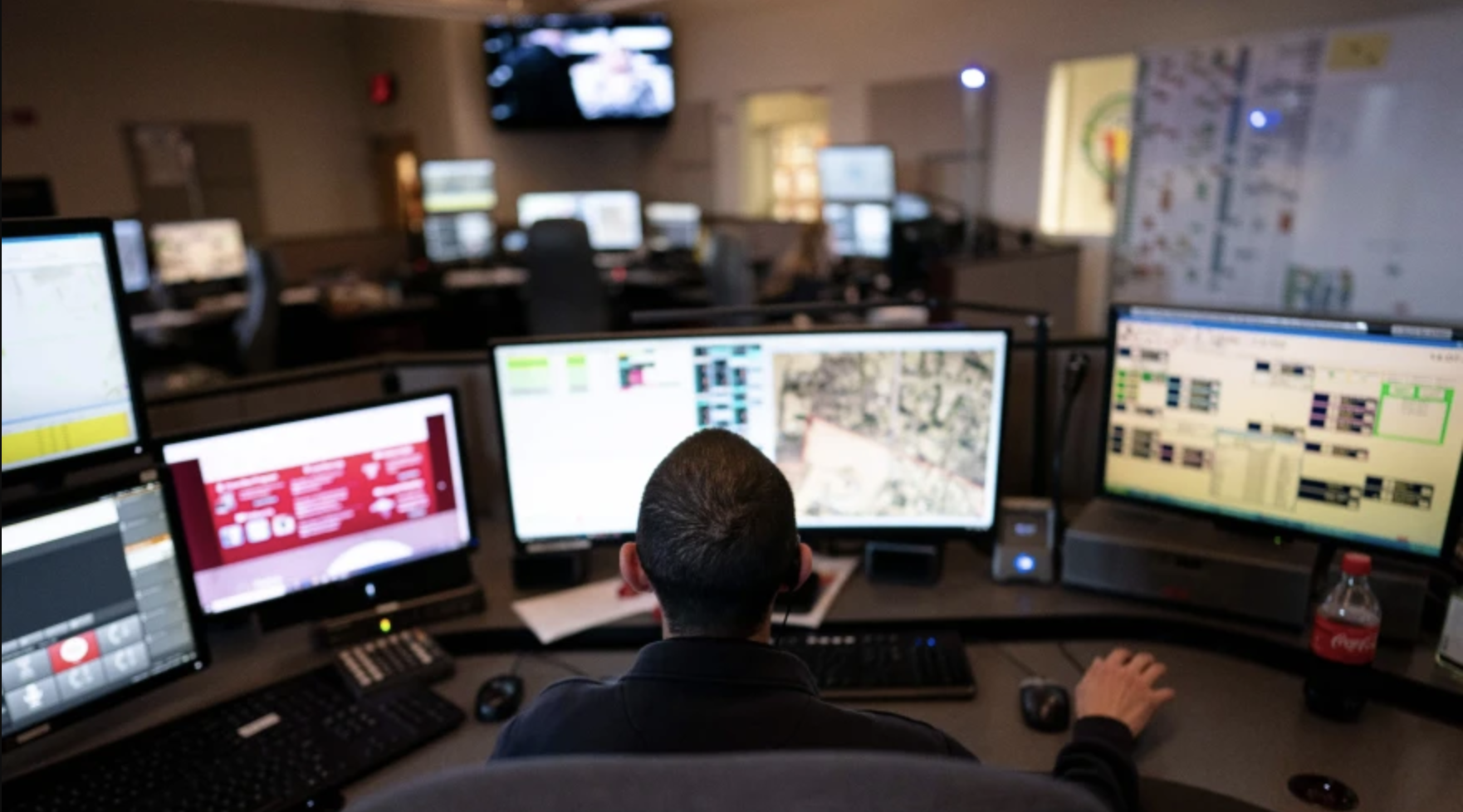
AI VOICE HOAX — A natural-sounding voice is no longer proof of a real caller.
|
|
NPR reported on Nov. 11 that a bomb threat called in to Wheatland Union High School in Yuba County, California, in August was made by an AI-generated voice. Police responded overnight and classes were canceled. There was no bomb and no one was hurt. Authorities said it was part of a series of hoax calls, known as swatting, made to schools across the country over the summer.
According to the FBI, swatting means reporting a bomb threat, mass shooting, or other life-threatening emergency to trigger a big police response. It isn’t new, but the voices used to be easy to spot. Mel Maier, CEO of APCO International, an association of public safety communications officials, told NPR that fake callers now sound natural, with pauses and “uh” and “um.” A survey of 766 public safety communications professionals by APCO and the Public Safety Threat Alliance, published in June, found that about 14% of dispatchers said they had been targeted using AI tools.
The tools are cheap. Brandon May, a forensic psychology professor at the Florida Institute of Technology, said, “I’m able to clone my voice on ElevenLabs for less than $20,” and then change its pitch and pauses. He told NPR it is no longer simple to hear a voice and know it’s AI, and that on high-stakes calls it will be “nearly impossible to detect.”
Dispatchers can’t just hang up on a doubtful call. April Heinze of NENA, the 9-1-1 Association, said they will always treat a report of a life-or-death emergency as real and send help. There are some clues. Most swatters don’t dial 911 directly, because 911 shows the caller’s location and phone number. They call police departments or courthouses and get transferred. APCO is also working on training that has dispatchers ask questions so specific that an AI can’t pull the answers from public databases or social media, though officials declined to give details so scammers can’t prepare.
The cost falls on everyone. Swatting pulls officers away from real emergencies, and people have been killed and injured in swatting attacks.
|
|
| 🎤 |
The voice sounds natural. Fake callers now add pauses, “uh,” and “um,” so the old robotic tells are gone.
|
|
|
| 💲 |
Cloning is cheap. One expert says he can clone his own voice for under $20 and change its pitch and pauses.
|
|
|
| 📞 |
Swatters avoid 911 itself. 911 shows location and a callback number, so most hoax callers phone police departments or courthouses instead.
|
|
|
| 🛡️ |
Help still goes out. Dispatchers say they will always treat a life-or-death call as real, even when it might be a hoax.
|
|
|
|
🚨 AI Voices Join the Hoax Call
AI voices can now make a fake emergency call sound real, and dispatchers can’t always tell. They will still send help, which is how it should be. What you can do is avoid forwarding an unverified emergency alert, and check what police or the fire department say on their own pages first.
|
|
|
|
An AI-Made ‘High-Rise Fire’ Video Sent 20 Fire Teams Racing to a Noida Apartment Tower. There Was No Fire
|
|
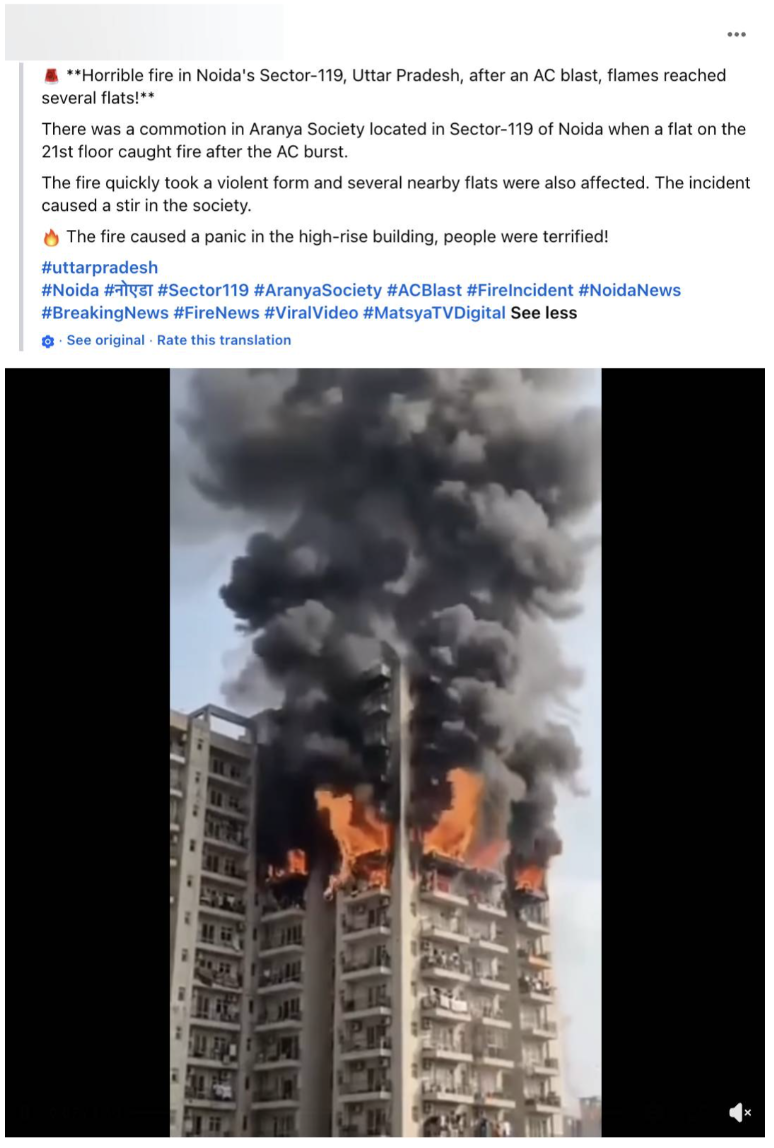
On Monday, Nov. 9, 20 fire teams from four districts rushed to a high-rise in Sector 119 of Noida, India, after an AI-generated video showing flames on the 21st floor of a tower called The Aranya was shared on X. The post claimed that an air-conditioner blast had set a flat on fire. Firefighters found nothing. Noida police called the information misleading and baseless, and registered a case at the cybercrime police station under India’s IT Act against unidentified people for spreading it. Police are tracing the accounts that shared the video, and one account run by a self-described journalist was among those that amplified it. The fact-checking site Factly ran the video through the detectors Hive and SynthID, and both indicated it was AI-generated. A convincing fake fire video can set off a real emergency response, and the people who share it can end up part of the story.
|
|
YOUR REALITY DETECTOR TOOLKIT |
|
Today’s Skill: Pause Before You Share an Emergency
Fear spreads faster than facts. A short pause breaks the chain.
|
|
01
|
Check the official page first
Noida police said the fire claim was baseless, but only after 20 fire teams had already been sent. Before you share a fire, crime, or threat post, look at your local police or fire department’s own page.
|
|
|
|
02
|
Don’t judge a voice by how natural it sounds
Today’s fake callers add pauses and “um.” A natural-sounding voice is no longer proof of a real person, so confirm a caller through a number you already know.
|
|
|
|
03
|
Never fake an emergency, even as a joke
Swatting takes officers away from real emergencies, and people have been killed in swatting attacks. A fake alert, photo, voice, or video can cost lives and can bring criminal charges.
|
|
|
|
|


