That Story of a Beluga Whale Escaping to Reunite With Her Calf? Made Up
|
|
6 Million
Views on One Post Alone
|
25 Years
Center's Real History
|
|
Zero
Real Escapes, Ever
|
Medium
Fooled Index
|
|
|
|
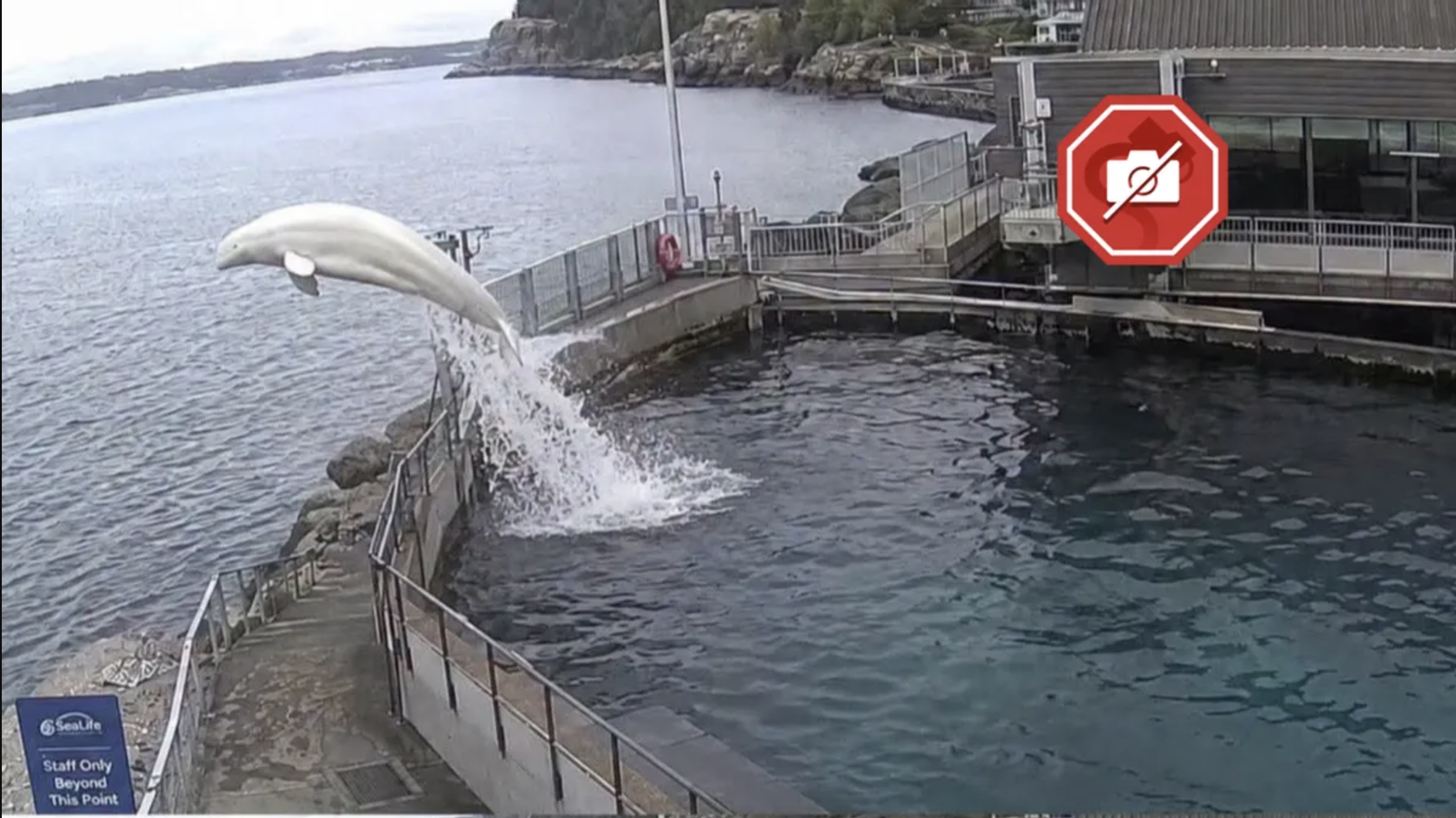
AI-GENERATED — No beluga has ever escaped this facility. The center said so itself.
|
|
In late June 2026, a story and accompanying photo spread widely on social media claiming a captive beluga whale from Alaska's Cook Inlet had escaped a marine research facility in Seward to reunite with her calf. The post described her being moved there for post-birth recovery, spending days "circling the same wall over and over," before ultimately leaping her enclosure and swimming home. One version of the image and story racked up close to 6 million views on Instagram alone.
The Alaska SeaLife Center, the only public research aquarium in Seward the story could plausibly be describing, posted a direct response on its own social media confirming it never happened. In its 25-year history, the center said, no beluga whale has ever escaped, and the scenario described isn't even physically possible at the facility. The image showing the whale leaping the enclosure was AI-generated.
Some people sharing the fake images had already caught on. One account that posted it added its own caption afterward: "Two types of people will see this," implying it was already common knowledge the post wasn't real, even as it kept circulating anyway. Kaiti Grant, the center's communications manager, said the center received multiple calls from concerned members of the public shortly after the post spread, and that misinformation like this ends up overshadowing the real rehabilitation and research work the nonprofit actually does.
|
|
| 🏛️ |
The facility confirmed it directly. The Alaska SeaLife Center posted its own statement saying the escape never happened and isn't something that could happen at their facility.
|
|
|
| 📜 |
The writing reads like fiction, not a facility update. Lines like "the part of motherhood that doesn't show up on a chart" match the overwrought, novelistic style typical of AI-written animal glurge.
|
|
|
| 🤷 |
Some sharers already knew it wasn't real. One account captioned its own repost "Two types of people will see this," acknowledging the fakery while still spreading it.
|
|
|
| 📞 |
Real staff had to field real concerned calls. The center said it received multiple phone calls from worried members of the public after the fake story spread.
|
|
|
|
🚨 100% AI-Generated
No beluga whale has ever escaped the Alaska SeaLife Center in its 25-year history, and the touching reunion story never happened. It's an AI-generated tale built entirely to feel true, using an AI-generated image and prose polished enough to pass as a real facility update.
|
|
|
|
That Video of a Whale Calf Drinking a Stream of Milk? Not How Nursing Actually Looks
|
|
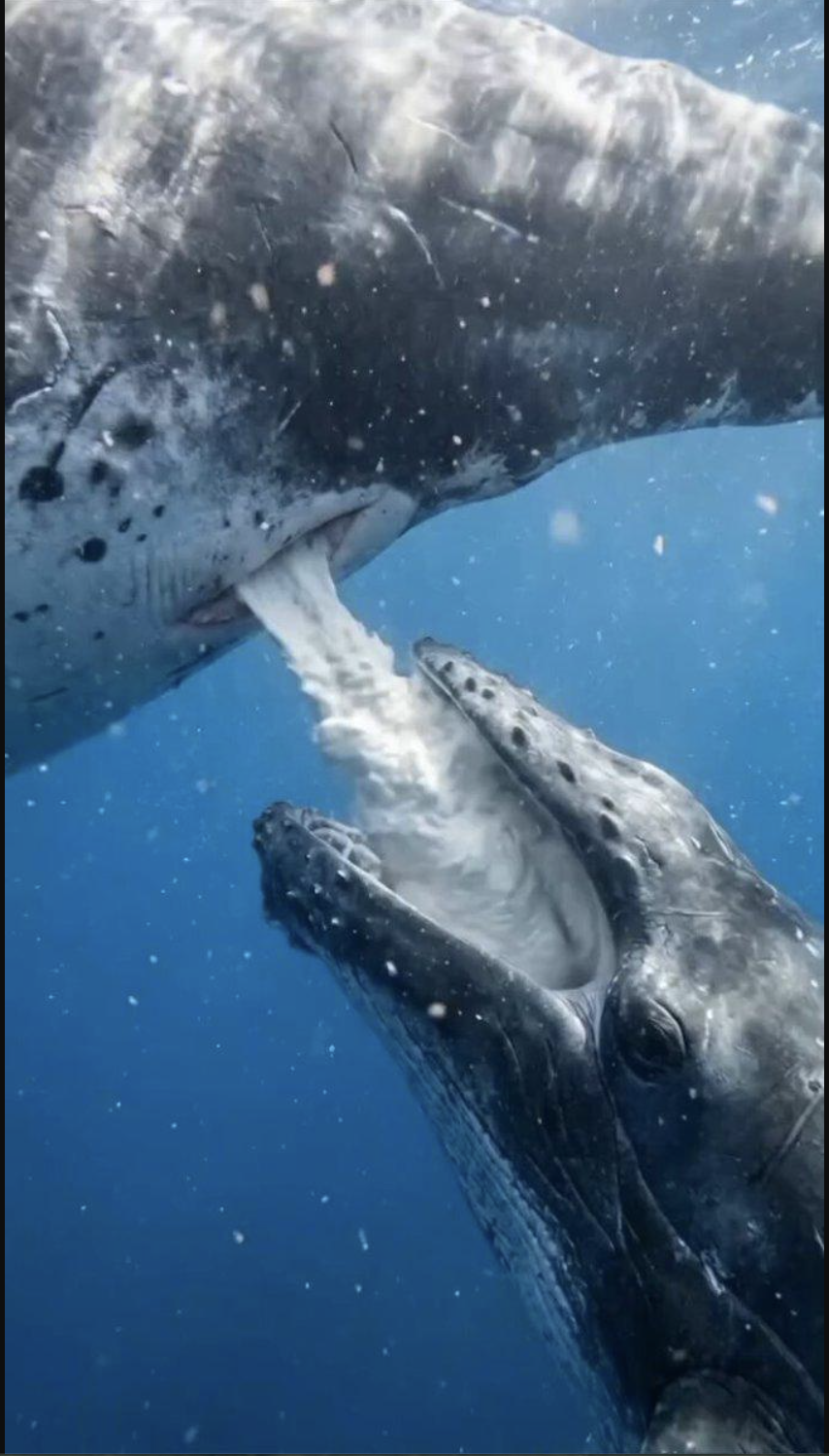
A video spread widely in April 2026 showing what was described as a blue whale calf catching a thick, high-velocity stream of milk from its mother underwater, captioned as a "powerful reminder that every detail in nature is crafted with astonishing precision." The video is fake. Hive Moderation, an AI-detection tool, determined with 99.9% confidence that the footage was AI-generated, and between the 8 and 15 second mark, the milk visibly glitches and flows backward, from the calf toward the mother. The whales in the clip also aren't blue whales at all; they're modeled after humpback whales, identifiable by head bumps called tubercles unique to that species. Real footage of nursing, captured by researchers using suction-cup cameras, shows calves suckling directly against their mother's body, with no dramatic stream of milk visible at all.
|
|
YOUR REALITY DETECTOR TOOLKIT |
|
Today’s Skill: Check Directly With the Institution Named or Implied
If a real organization is at the center of a story, they can usually confirm or deny it fast.
|
|
01
|
Check directly with the institution named or implied
The Alaska SeaLife Center posted its own clear denial once the fake story spread. If a story involves a real organization, check whether that organization has actually said anything about it.
|
|
|
|
02
|
Notice when the writing feels too polished
Genuine facility updates don't usually read like short stories. Overly poetic, emotionally engineered language is a common trait of AI-written viral content.
|
|
|
|
03
|
Watch for footage that glitches under close inspection
The fake nursing video showed milk briefly flowing backward. Slow down and watch a dramatic clip a second time before trusting it.
|
|
|
|
|


