No, Norway’s World Cup Team Didn’t Pack Its Own Food Because It Hates American Cooking
|
|
3
Chefs they brought
|
~1,100 lbs
Norwegian seafood
|
|
1998
Last World Cup
|
Medium
Fooled Index
|
|

|
|
MOSTLY FALSE — The chefs and the fish are real. The “they hate our food” part isn’t.
|
|
Part of the story is true. Norway’s men’s soccer team did bring three chefs and a big load of food from home to its World Cup base in Greensboro, North Carolina. The country’s seafood council said the team shipped about 1,100 pounds of Norwegian fish, along with its well-known brown cheese. That much is real.
What’s false is the reason. The team didn’t do it because it distrusts or dislikes American food. The head chef said they brought familiar ingredients to keep the players’ meals consistent and give them a taste of home during a long tournament. They also bought plenty of food locally, including fresh oranges for juice every morning, which a team avoiding American food wouldn’t do.
This is normal for big teams. Argentina and Uruguay each hauled thousands of pounds of meat to the 2022 World Cup, and the American team brought oatmeal, peanut butter and steak sauce to Brazil in 2014. Nutrition experts say packing familiar food is about routine and performance, not an insult to the host country.
The viral version stretched the facts. The round “two thousand pounds” number and the “6,000 oranges” detail didn’t hold up, and the team never brought oranges at all. Someone took a true thing, that the team brought some of its own food, and added a false motive, that the players think American food is junk. The first part is real. The insult is invented.
|
|
| ⚽ |
The chefs and food are real. Norway really did bring three chefs and about 1,100 pounds of Norwegian seafood, plus brown cheese, to its World Cup base. That part checks out.
|
|
|
| 🍊 |
They bought food here too. The team sourced oranges locally for fresh juice every morning. A team trying to avoid American food wouldn’t be buying American oranges.
|
|
|
| 🌎 |
Other teams do it too. Argentina and Uruguay brought tons of meat to the 2022 World Cup; the U.S. team brought oatmeal and peanut butter to Brazil in 2014. It’s routine, not an insult.
|
|
|
| 🔢 |
The scary numbers were off. The viral “2,000 pounds” and “6,000 oranges” details didn’t hold up, and the team didn’t bring oranges from Norway at all.
|
|
|
|
🚨 Real Food, Fake Insult
Norway’s team did bring three chefs and around 1,100 pounds of its own food to the World Cup, so that part is true. But the claim that the players did it because they look down on American food is false. Their chef said it’s about keeping meals familiar and consistent, and the team bought plenty of food locally. It’s standard practice for elite teams, not a snub.
|
|
|
No, a Man Named “Ethan Caldwell” Wasn’t Arrested for Making Up Fake Histories for Museum Paintings. |
|
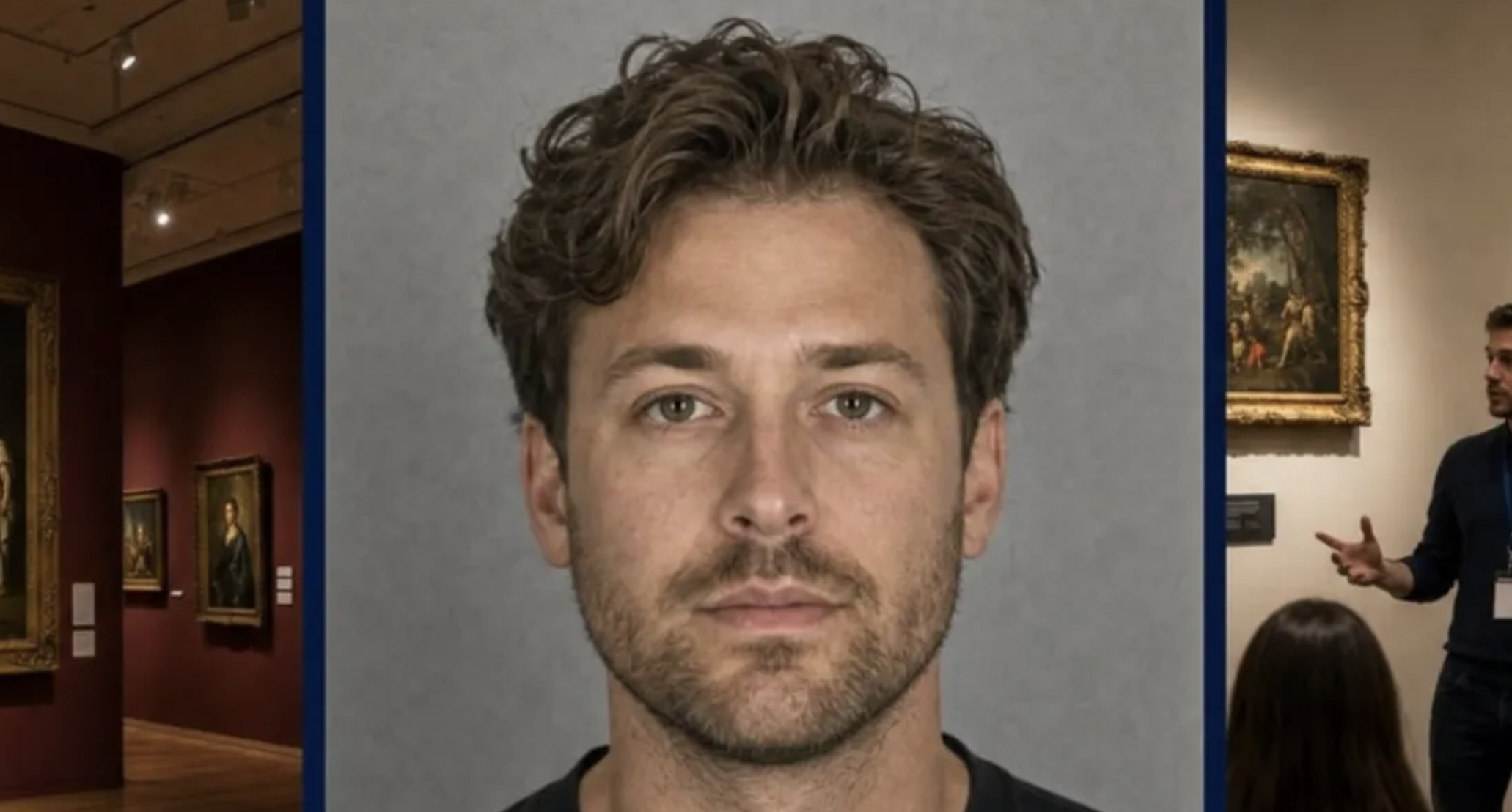
A funny story spread that a man named Ethan Caldwell got arrested for posing as a museum tour guide and inventing completely fake histories for every painting. It’s not real. The story came from an Instagram account, The Dude Humor Report, that openly labels its posts as satire and fiction. There’s no such arrest and no Ethan Caldwell. The joke got screenshotted, stripped of the “satire” label, and passed around as a real news story, which is how a lot of these spread.
|
|
Have Wild Cheetahs Really “Never Killed a Human”? It’s Close, but Not That Simple. |
|
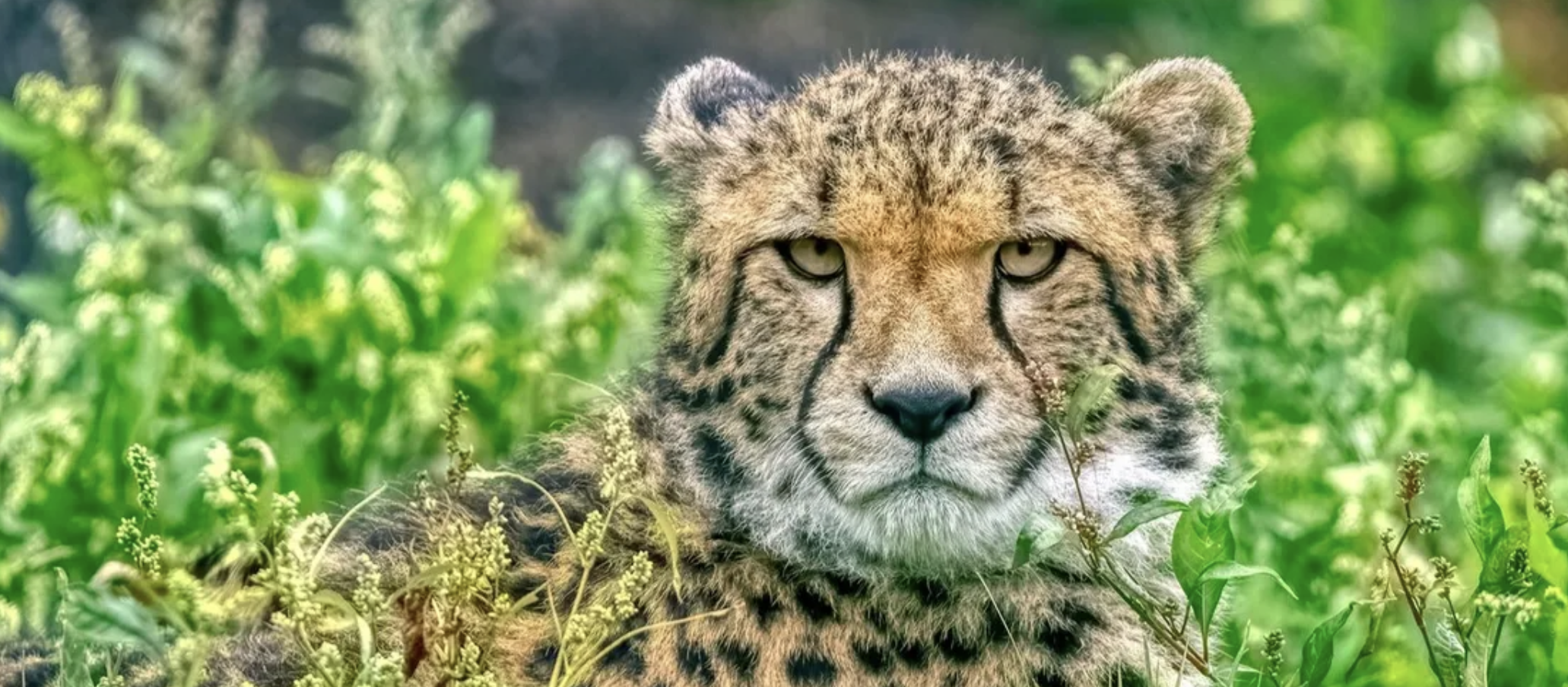
A popular claim says wild cheetahs have never killed a person, unlike lions or leopards. It’s mostly right, and cheetahs really are the shyest, least dangerous of the big cats toward people. But it’s not airtight. Snopes found murky old newspaper reports of cheetah killings in the 1800s, though those may have mixed up cheetahs with leopards, and captive cheetahs have killed people in rare cases at zoos and farms. So the reassuring version is close to true, just not the clean “never” the meme promises.
|
|
YOUR REALITY DETECTOR TOOLKIT |
|
Today’s Skill: Watch the Motive, Not Just the Fact
A story can get one fact right and still be wrong about what it means.
|
01 |
A true detail doesn’t make the story true
Norway really brought food, but the “because they hate American food” part was invented. Ask whether the motive is proven or just assumed.
|
|
|
02 |
Round numbers are a red flag
“2,000 pounds” and “6,000 oranges” sounded clean and turned out wrong. Suspiciously tidy figures are worth double-checking.
|
|
|
03 |
Find the original source
The museum-arrest story came from a comedy page that calls itself satire. Tracing a story to its first post often reveals the joke.
|
|
|
|
|


