Just Eat’s AI Menu Photos Put Bacon and Eggs in a Glass of Cola. The Company Has Paused the Trial
|
|
Oct. 19
Date of Just Eat’s Apology
|
Paused
Status of the AI Photo Trial
|
|
2
Odd Dishes: Cola Breakfast, Bread Plane
|
Low
Fooled Index
|
|
|
|
AI-GENERATED — A menu photo made from a text description, not from the real dish.
|
|
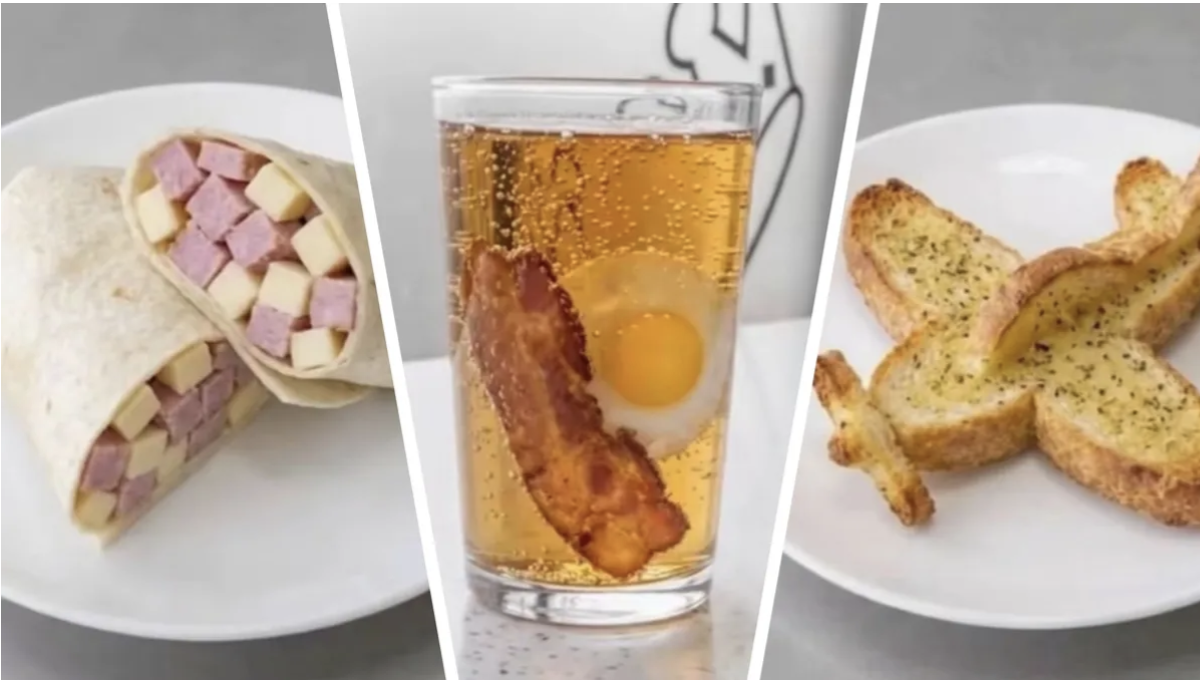
Just Eat, the UK food delivery app, tried out a tool that uses AI to create menu pictures for restaurants that don’t have their own. The tool read each dish’s menu description and generated a photo. Sometimes it did fine, picturing full English breakfasts and ordinary curries. Other times it went badly wrong. A Northern Ireland restaurant that sells soda bread breakfast sandwiches ended up with photos showing sausages, bacon, and fried eggs floating in pints of cola. A garlic bread listing became an airplane made of bread.
According to The Independent, the app tags each photo made by the tool as “AI-generated.” Just Eat said it introduced the trial to help smaller independent restaurants without the cost of professional food photography. After customers shared the strangest results on social media, the company apologized, said it was removing the inaccurate images, and paused the rollout while it develops the tool further. It also said it works with tens of thousands of small restaurants on their food photos, including paying for professional local photographers.
The silly pictures are the easy ones to catch. TechRadar and a food-industry expert pointed to the bigger worry, which is the believable mistake: a wrong-sized portion, a missing topping, or a side dish that doesn’t come with the meal. Michael Bortinger of the food-trend firm Tastewise said an image model has no concept of a specific dish and simply draws the average of everything labeled “burger.” Another delivery service, DoorDash, opened a text-to-order AI agent for testing last week, and Bloomberg News testers found errors including photos that didn’t match the recommendation.
|
|
| 🥓 |
The picture doesn’t match the dish. A soda bread breakfast sandwich was shown as bacon and eggs floating in cola.
|
|
|
| 🏷️ |
The app tags the AI photos. Just Eat marks images made by the tool as “AI-generated,” so the label is worth looking for.
|
|
|
| ✈️ |
The tool works from words alone. It built pictures from menu descriptions, which is how a garlic bread listing became an airplane made of bread.
|
|
|
| 🛑 |
The company confirmed it and paused it. Just Eat apologized, began removing the images, and stopped the rollout for now.
|
|
|
|
🚨 AI Menu Photos, Not Real Food
These pictures don’t show the food a restaurant actually sells. They came from a delivery app’s AI trial that worked from menu descriptions, and the company pulled them back after customers noticed. The obvious errors are funny, but a believable wrong photo could mislead you about what arrives at your door.
|
|
|
|
Nat Geo’s ‘Super Scam Me’ Shows How a Fake ‘Jon Bon Jovi’ Nearly Cost One Woman Her Home
|
|
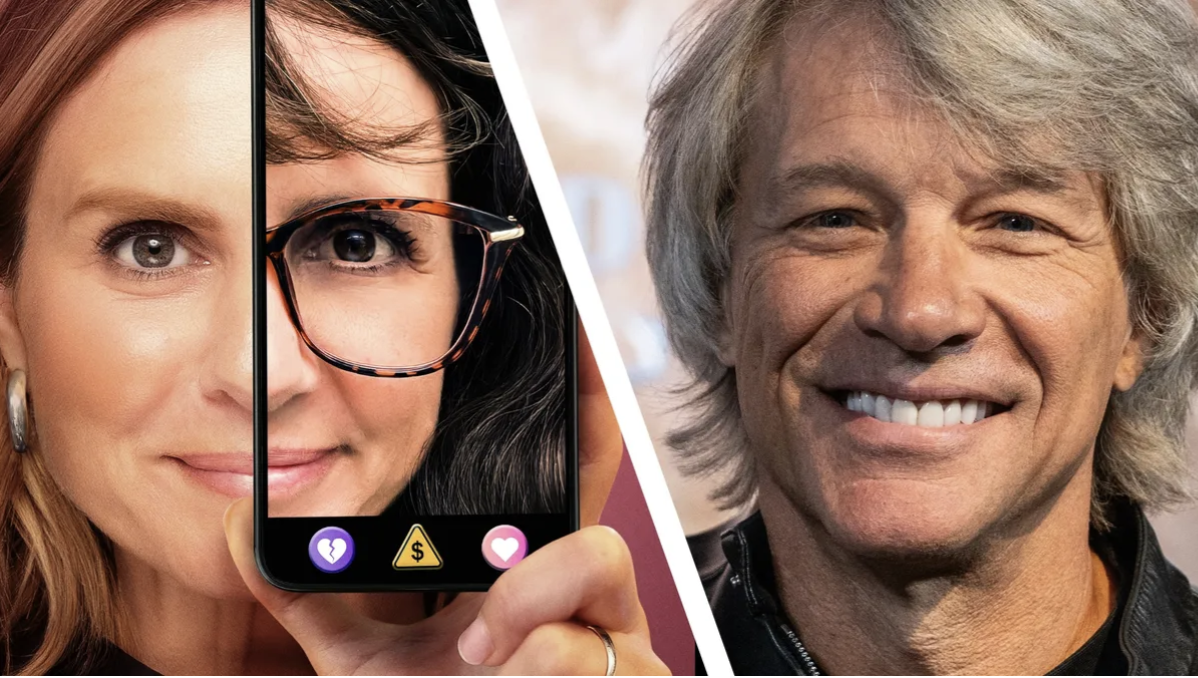
On Oct. 17, National Geographic premiered “Super Scam Me,” a one-hour documentary on romance scams that is now streaming on Disney+ and Hulu. Journalist Mariana van Zeller goes undercover as “Mary Zell,” a lonely divorcée in Phoenix. A scammer posing as a four-star general deployed in Syria soon showers her with affection, and she also gets a video message from someone claiming to be George Clooney. The film follows Leslie Pickett, who believed she had been in a relationship with Jon Bon Jovi for months. She sent so much money that she was facing foreclosure, according to the film’s makers. A white-hat hacker named Arman helps trace the scammer, and a published transcript of the film has him saying the scammer’s video looked like a low-quality face filter, because his real teeth showed when he talked. Nat Geo says romance scammers took more than $1 billion from Americans in 2025 and that an estimated 1 in 7 adults has lost money to one. In interviews, van Zeller says the responsibility for stopping these scams shouldn’t fall on the victims.
|
|
YOUR REALITY DETECTOR TOOLKIT |
|
Today’s Skill: Trust the Words and the People, Not the Picture
A picture is the easiest thing for AI to fake, so look for a second kind of proof.
|
|
01
|
Look for the “AI-generated” tag on photos
Just Eat says photos made by its tool carry an “AI-generated” tag. When a photo matters, read the dish description and recent customer reviews instead.
|
|
|
|
02
|
Remember that stars don’t ask fans for money
After a concert sold out, the fake “Bon Jovi” offered a paid meet-and-greet through his “management.” A celebrity who messages you privately and then asks for money is a scammer.
|
|
|
|
03
|
Watch the face while the person talks
In the film, the scammer’s face filter slipped when he spoke. A video call that looks right while someone is still can look wrong the moment they talk.
|
|
|
|
|


