McDonald’s Brought Back the Fried Apple Pie — Then Came the “You’re Eating Human Hair” Rumor
|
|
June 23
Pie returned
|
L-cysteine
The real ingredient
|
|
No proof
Of the hair claim
|
High
Fooled Index
|
|

|
|
UNPROVEN — A real ingredient, but no proof the pies use the “human hair” kind.
|
|
On June 16, McDonald’s announced it was bringing back the fried apple pie for the country’s 250th birthday, with the pies returning June 23. The fried version had been gone since 1992, swapped for a baked one, so people were excited. Then the rumor started: that the pies are made with human hair.
There’s a real ingredient at the center of this. McDonald’s lists L-cysteine on its pie, a common dough conditioner. L-cysteine is real, and in the food industry it can be made from duck or chicken feathers, from animal sources, or, yes, from human hair. So that part isn’t invented.
Here’s where it falls apart. McDonald’s website lists the ingredient but doesn’t say where its L-cysteine comes from. Back in 2009, a vegetarian group reported that a McDonald’s spokesperson said the company’s pie L-cysteine came from animals, not humans. There’s no proof the apple pies use the human-hair kind. The scary “you’re eating hair” version is unproven.
This is how a lot of food scares work. They take one real, odd-sounding ingredient, attach the worst possible source, and let disgust do the spreading. The honest answer is less exciting: there’s a real additive, the company won’t detail its source, and nobody has shown it’s from human hair. Enjoy your pie, or skip it, but do it based on what’s actually known.
|
|
| 🍽 |
The pie really did come back. McDonald’s announced the fried apple pie’s return on June 16 for America’s 250th birthday, with pies back on June 23. That part is true.
|
|
|
| 🧪 |
L-cysteine is a real ingredient. McDonald’s does list L-cysteine, a dough conditioner. In the food world it can come from feathers, animal sources, or human hair, so the ingredient isn’t made up.
|
|
|
| ❓ |
The source isn’t stated. McDonald’s lists the ingredient but doesn’t say where its L-cysteine comes from. In 2009 a group reported the company said it used the animal kind, not human.
|
|
|
| 🧹 |
No proof of human hair. There’s no evidence McDonald’s apple pies use the human-hair form. The frightening version of the claim is unproven, not confirmed.
|
|
|
|
🚨 No Proof It’s Hair
McDonald’s fried apple pies do contain L-cysteine, a normal dough conditioner that can be made from several sources, including human hair. But there’s no proof the pies use the human-hair kind, and the company has said before that it uses the animal form. The “you’re eating human hair” claim is unproven, built on one real ingredient and the scariest possible guess about it.
|
|
|
No, Ryan Reynolds Didn’t Donate His $27 Million “Deadpool” Salary to Parkinson’s Research. |
|

A heartwarming story spread saying Ryan Reynolds secretly gave the entire $27 million he made from “Deadpool” to the Michael J. Fox Foundation for Parkinson’s research. It’s not true. Reynolds really has worked with the foundation since 2008 and sits on its board, which is what makes the story easy to believe, but there’s no evidence of this donation. The quotes from him and his wife in the posts don’t appear anywhere except the posts themselves. It’s a feel-good tale built to be shared, not a real news story.
|
|
That Video of “Interviews With People Born in the 1800s” Is Real, Not AI. |
|
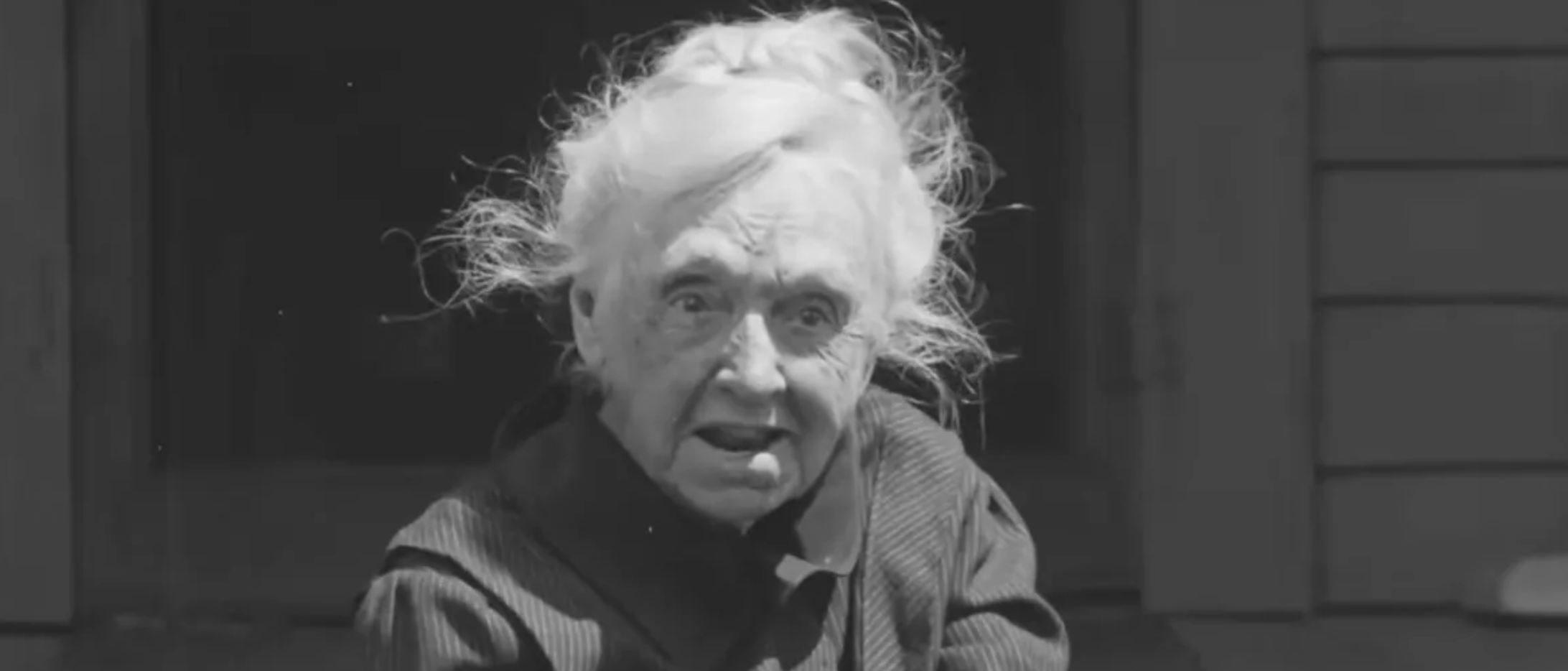
A 14-minute video titled “Interviews With People Born in the 1800s,” said to be filmed in 1929 and colorized, racked up over a million views, and many viewers asked if AI had faked it. The clips Snopes checked are real. One shows 103-year-old Galusha Cole, filmed in 1929 and traced to a real film archive; another shows Rebecca Felton, the first woman to serve in the U.S. Senate. The footage is genuine old film. Color was added later, but the people and their voices are real. Sometimes the amazing old clip is exactly what it says it is.
|
|
YOUR REALITY DETECTOR TOOLKIT |
|
Today’s Skill: Spot the One True Detail
The scariest rumors usually start from one real fact, then stretch it past the truth.
|
01 |
Find the kernel of truth
The apple pie rumor used a real ingredient, L-cysteine. Check how far a claim goes past the one true fact it’s built on.
|
|
|
02 |
“Can be” isn’t “is”
L-cysteine can come from hair, but that doesn’t mean these pies do. Watch for claims that turn a possibility into a certainty.
|
|
|
03 |
Go to the source, not the angriest post
McDonald’s lists the ingredient but not its source. Check the company or a fact-checker before you trust a furious caption.
|
|
|
|
|


