A Free Press Reporter Used ChatGPT to “Sharpen” a Photo From a Senate Victory Party — And the AI Changed the Shoes and the Handbag
|
|
3.2M
Views on X
|
2.4K+
Reposts
|
|
~48 hrs
To debunk
|
High
Fooled Index
|
|
|
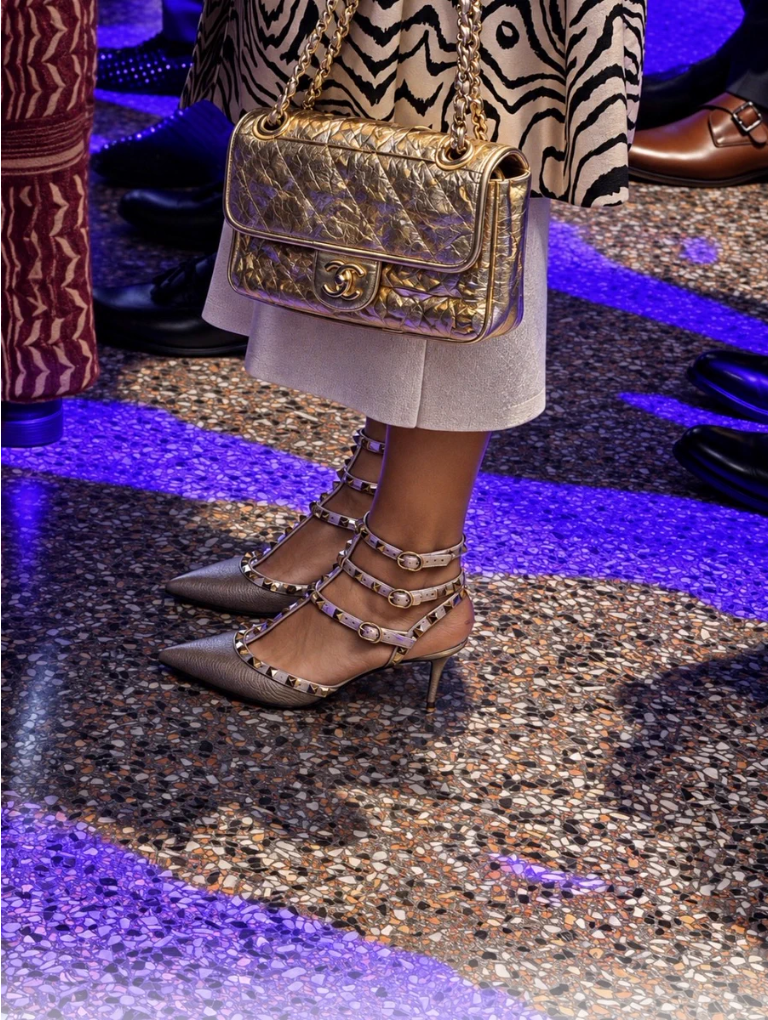
Olivia Reingold, a staff writer at The Free Press, posted a photo to X on election night. She wrote that she had spotted Valentino heels, a Chanel bag, a Moncler jacket, Rolex watches, and a YSL bag at Abdul El-Sayed’s Michigan Senate victory event. The post drew 3.2 million views and over 2,400 reposts, and the message was plain: look at these wealthy Democrats.
Two days later, Vanity Fair’s fashion correspondent José Criales-Unzueta took a close look at the image. He found that the Chanel Flap bag didn’t match any bag the brand has ever sold, and the Valentino shoe straps had rows of punched holes that real Valentino pumps don’t have. Vanity Fair writer Julia Black posted the findings on X and said both Pangram and Google DeepMind’s SynthID detection tools flagged the image as likely AI-generated, and users proposed a Community Note on the original post.
On Thursday, Reingold admitted she had run the photo through ChatGPT. She said she only asked it to “brighten and sharpen” the image, and she posted what she called the original, unedited version. But ChatGPT’s image tool is not a phone filter — it rebuilds the entire image from scratch, and in this case, it rebuilt the shoes and the bag with details that don’t match anything those brands have ever made.
Multiple outlets covered the story through the weekend, including Futurism, The AV Club, Defector, and Raw Story. The original post remains up on X.
|
|
| 👜 |
The bag doesn’t exist. Vanity Fair’s fashion correspondent checked the Chanel Flap bag in the image against bags the brand has sold, and the style didn’t match any of them.
|
|
|
| 👠 |
The shoes have extra holes. The Valentino shoe straps show rows of punched holes that real Valentino pumps don’t have, and the proportions look off.
|
|
|
| 🤖 |
Two AI detectors flagged it. Both Pangram and Google DeepMind’s SynthID tool found signs that AI had generated or altered the image.
|
|
|
| 📸 |
The “original” looks different. When Reingold posted her unaltered version, the shoes and bag had noticeably different details from the ChatGPT version she shared first.
|
|
|
|
🚨 AI-Altered by ChatGPT
Reingold ran a real photo through ChatGPT’s image tool, which rebuilt the image and changed key details on the luxury items. She called it “brightening and sharpening,” but AI image tools rebuild photos from scratch — and this one produced shoes and a handbag that don’t match any real products from Valentino or Chanel.
|
|
|
|
An AI Photo Claims Haiti’s Most Wanted Gang Leader Got Captured — He Was Giving Interviews at the Time
|
|
https://beehiiv-images-production.s3.amazonaws.com/uploads/asset/file/aef8823b-1c3c-4d3d-99cd-b3fbfd2575d1/Wilson_Joseph.png?t=1794326194
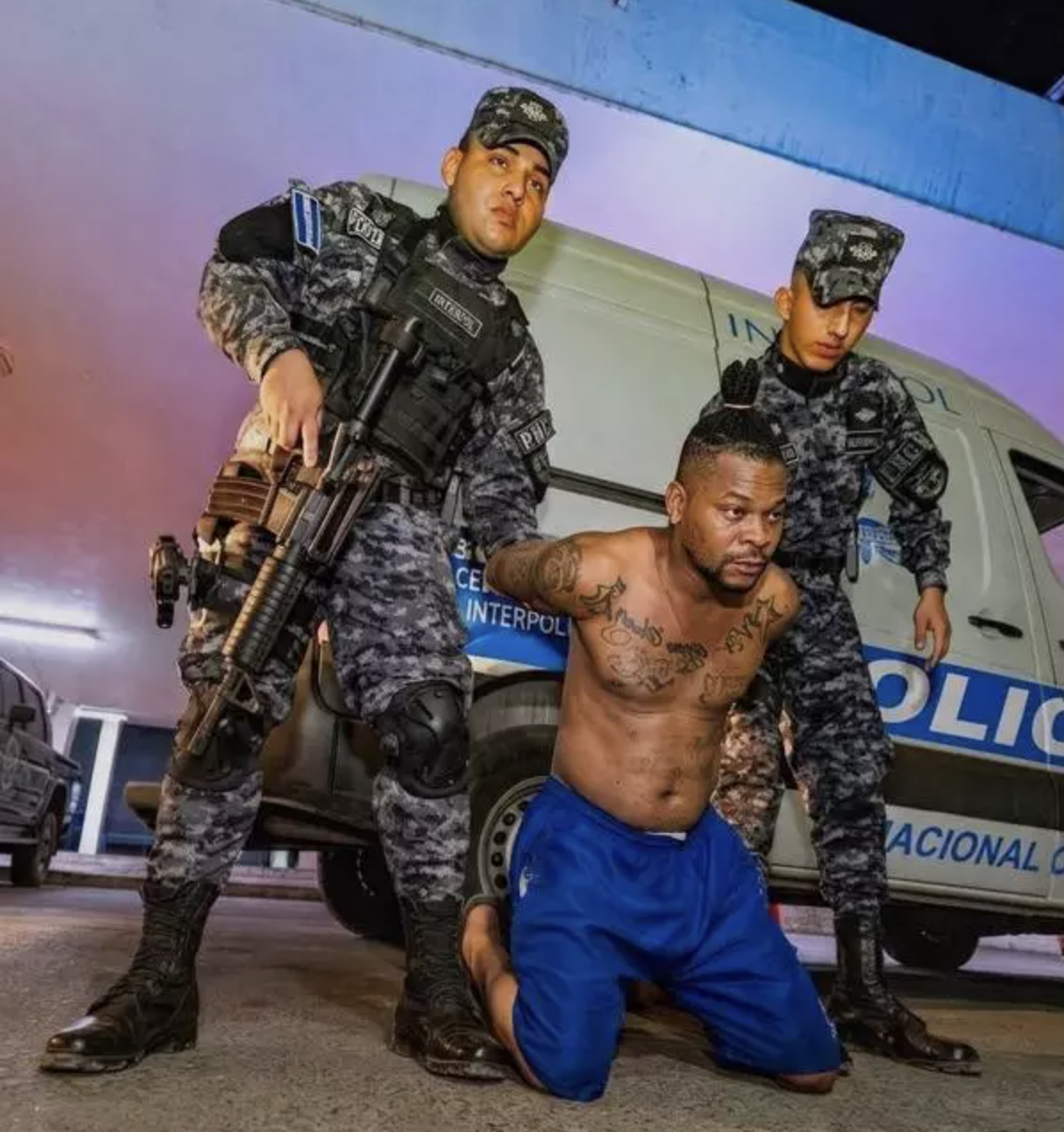
Someone posted a photo on X on November 4 claiming Wilson Joseph, the leader of Haiti’s 400 Mawozo gang, had been “captured by El Salvador’s military forces following a nighttime operation.” Lead Stories ran the image through two detection tools: Hive Moderation scored it at 83.5% likely AI-generated, and Google’s SynthID detector found a hidden watermark proving someone made the image with a Google AI tool. Nobody captured Wilson Joseph — as of that same day, he was still free and had recently given interviews to the AP and sent a letter to the United Nations.
|
|
|
Three Men Used AI-Cloned CEO Voices to Steal $129 Million From Hospitals and Banks
|
|
Federal prosecutors in New York indicted Jacob Soall, Sharon Hazan, and Guy Sheetrit for spending over a year and a half using AI to clone the voices of corporate executives and attorneys, then tricking employees into wiring money. They targeted thousands of companies worldwide and impersonated at least seven different corporate executives; victims included hospital systems in Missouri and California, a Rhode Island bank, and a UK fintech firm, and the total take hit $129 million. Police arrested Soall and Hazan in Spain and Sheetrit in the United Kingdom, and each faces wire fraud and identity theft charges carrying up to 20 years in prison.
|
|
YOUR REALITY DETECTOR TOOLKIT |
|
Today’s Skill: The “Enhance” Trap
When someone says they “just” brightened or sharpened a photo with AI, the tool may have changed far more than the lighting.
|
|
01
|
“Editing” with AI is not the same as a phone filter
Your phone’s brightness slider adjusts the light and nothing else. AI tools like ChatGPT rebuild the entire image from scratch, and they can add, remove, or change details you never asked them to touch. In today’s story, Reingold asked ChatGPT to brighten a photo, and the tool came back with shoes and a bag that don’t match any real products from those brands.
|
|
|
|
02
|
Look at the small stuff before the big picture
Straps, stitching, buckles, logos, and zippers are where AI slips up most. Vanity Fair’s fashion expert caught today’s story by looking at the shoe straps — tiny punched holes that real Valentino pumps don’t have, and a bag design Chanel has never sold.
|
|
|
|
03
|
Ask what the photo is trying to prove
When a photo exists to push an argument, that’s your cue to look harder. Reingold’s photo existed to show that El-Sayed’s supporters were wealthy elites. The argument depended on the designer labels looking clear and obvious — and the AI version made them more prominent than the original.
|
|
|
|
|