Those Viral “Twin” Photos About Smoking and Sun? The Pictures Are Real — the Caption Isn’t
|
|
2009
Real study date
|
186 pairs
Twins studied
|
|
Sun
The real factor
|
Medium
Fooled Index
|
|

|
|
MISCAPTIONED — Real twins from a real study, with a story added on top.
|
|
The photos show two women who really are identical twins. The caption going around says one of them smoked and tanned for sixteen years while her sister didn’t, and that the difference in their faces is the proof. It gets shared as a warning about cigarettes and the sun.
The pictures are real, and they come from an actual study. In 2009, a plastic surgeon named Bahman Guyuron published research called “Factors Contributing to the Facial Aging of Identical Twins.” His team photographed 186 pairs of identical twins at a twins festival in Ohio and had a panel judge which twin looked older and why.
Here’s the part the caption gets wrong. The study used these particular photos to show the effect of sun exposure on how old a twin looked, not smoking. It didn’t say this pair was a smoker and a non-smoker, and it didn’t track them over sixteen years. Someone added those details later to make a cleaner story.
So the honest version is still useful. Sun exposure really does age skin, and the photos really do show two twins. But the specific tale of one smoker and sixteen years was tacked on. The picture is real, the science about the sun is real, and the caption is the part that got invented.
|
|
| 📷 |
The twins are real. The women in the photos really are identical twins, photographed for a published study, not actors or an AI creation.
|
|
|
| 📚 |
It’s from a 2009 study. The images come from research called “Factors Contributing to the Facial Aging of Identical Twins,” which photographed 186 twin pairs in Ohio.
|
|
|
| ☀ |
It was about sun, not smoking. These photos illustrated the effect of sun exposure on how old a twin looked. The study didn’t say one twin smoked and the other didn’t.
|
|
|
| ⌛ |
The “sixteen years” was added. The study didn’t track this pair over sixteen years. That detail, and the smoking angle, got attached to the photos later.
|
|
|
|
🚨 Real Twins, Rewritten Story
The photos are genuine, from a 2009 study on what ages identical twins’ faces, and they really do show the effect of sun exposure. But the caption that one twin smoked and tanned for sixteen years while the other didn’t was added later and isn’t what the study found. The sun-and-skin lesson holds up. The specific backstory doesn’t.
|
|
|
No, a Woodpecker’s Tongue Doesn’t Wrap Around Its Skull to Cushion Its Brain. |
|
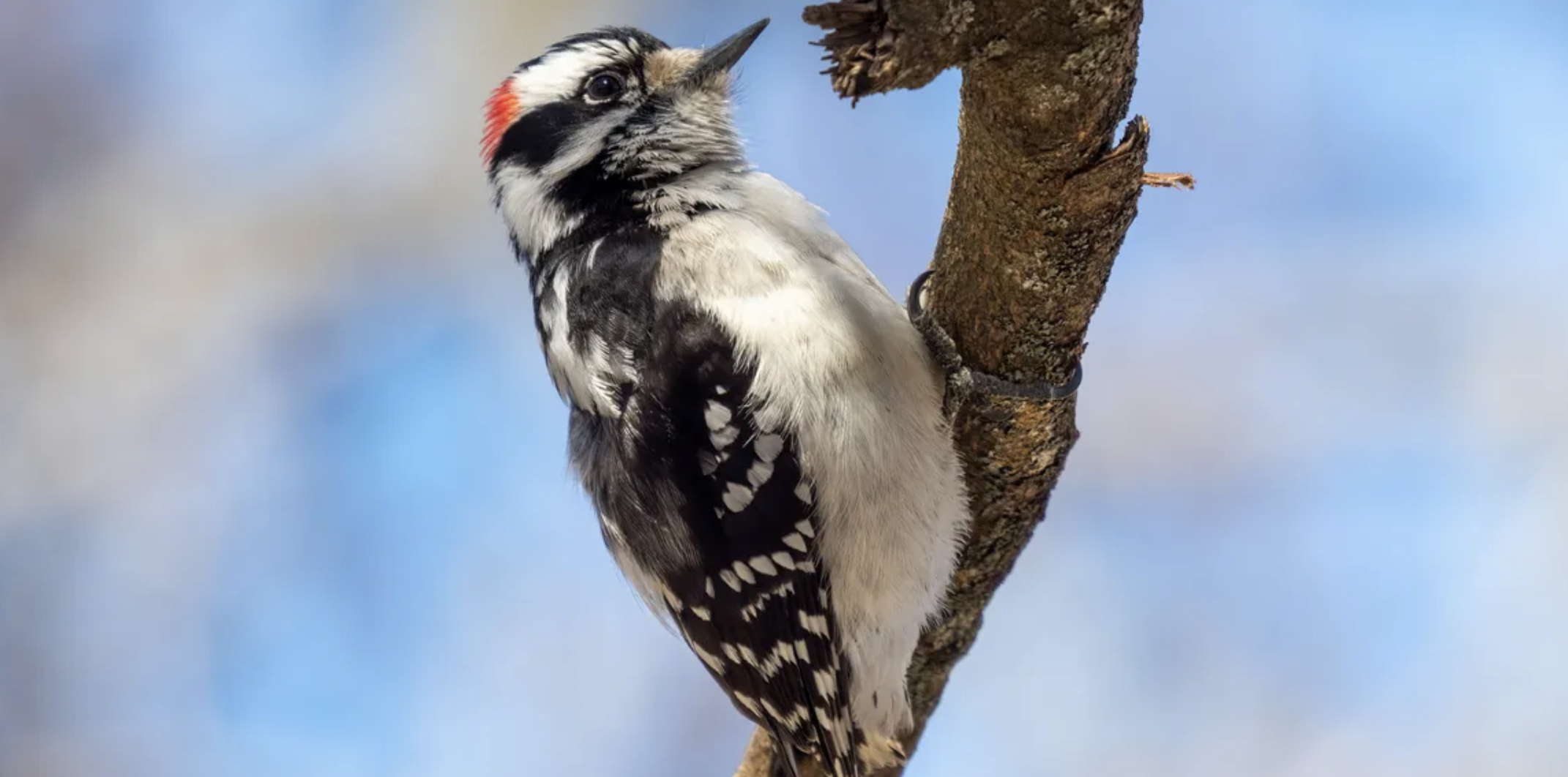
A popular post says woodpeckers avoid concussions because their long tongue wraps around the skull and acts like a built-in seatbelt for the brain. The tongue really does wrap around the skull, which is what makes the claim believable, but research from 2006 and 2022 found the tongue has little to do with protecting the brain. Woodpeckers handle the pounding because of their small, tilted brains and the very short time each peck lasts. The mystery of how they take the hits has inspired real work on helmets and crash safety.
|
|
Yes, There’s Really a Surfboard-Stealing Sea Otter in Santa Cruz. |
|
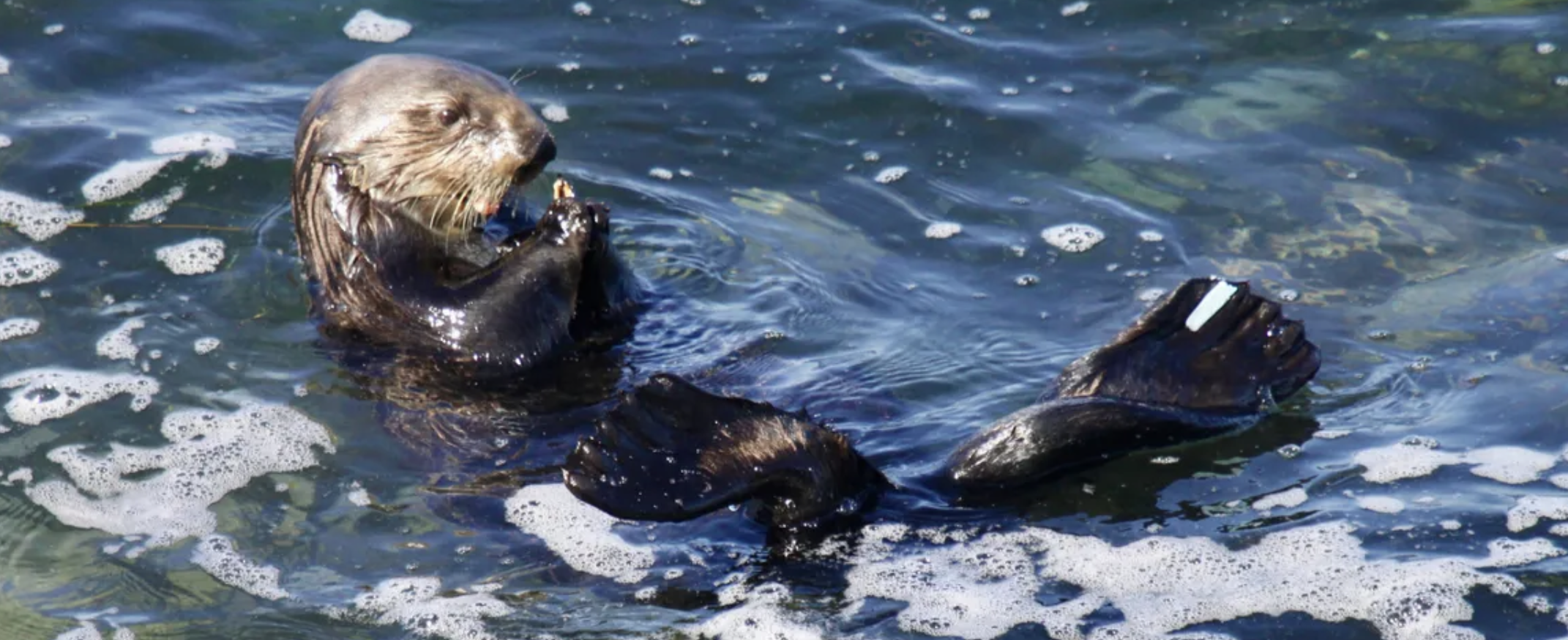
This one sounds made up, but it’s true. A wild sea otter known as Otter 841 became famous around Santa Cruz, California, for climbing onto surfers’ boards and refusing to give them back. It’s confirmed by local photographers’ videos, news reports, the Monterey Bay Aquarium and wildlife officials, who once tried and failed to catch her. She even had a pup and inspired a children’s book. She’s been harder to spot lately, but the legend is real.
|
|
YOUR REALITY DETECTOR TOOLKIT |
|
Today’s Skill: A Real Photo Can Still Tell a Fake Story
The picture being genuine doesn’t mean the words under it are.
|
01 |
A real picture doesn’t prove the caption
The twin photos are genuine, but the smoking story was added. Treat the image and the words around it as two separate claims.
|
|
|
02 |
Watch for the suspiciously tidy backstory
“Smoked for sixteen years” sounds precise, and that’s why it spreads. Specific-sounding details aren’t the same as verified ones.
|
|
|
03 |
Trace it to the source
The twin photos lead straight back to a 2009 medical study. Searching for where an image first appeared usually clears things up.
|
|
|
|
|


