The Video Of Iran’s Jordan Attack Went Viral. It Was A Video Game.
|
|
4.9M+
Views on X
|
HOURS
Poster Admits Fake
|
|
<24 HRS
To Debunk
|
HIGH
Fooled Index
|
|
|
|
AI-GENERATED — The video shared as footage of Iran’s July 17, 2026 strike on a U.S.-linked base in Jordan.
|
|
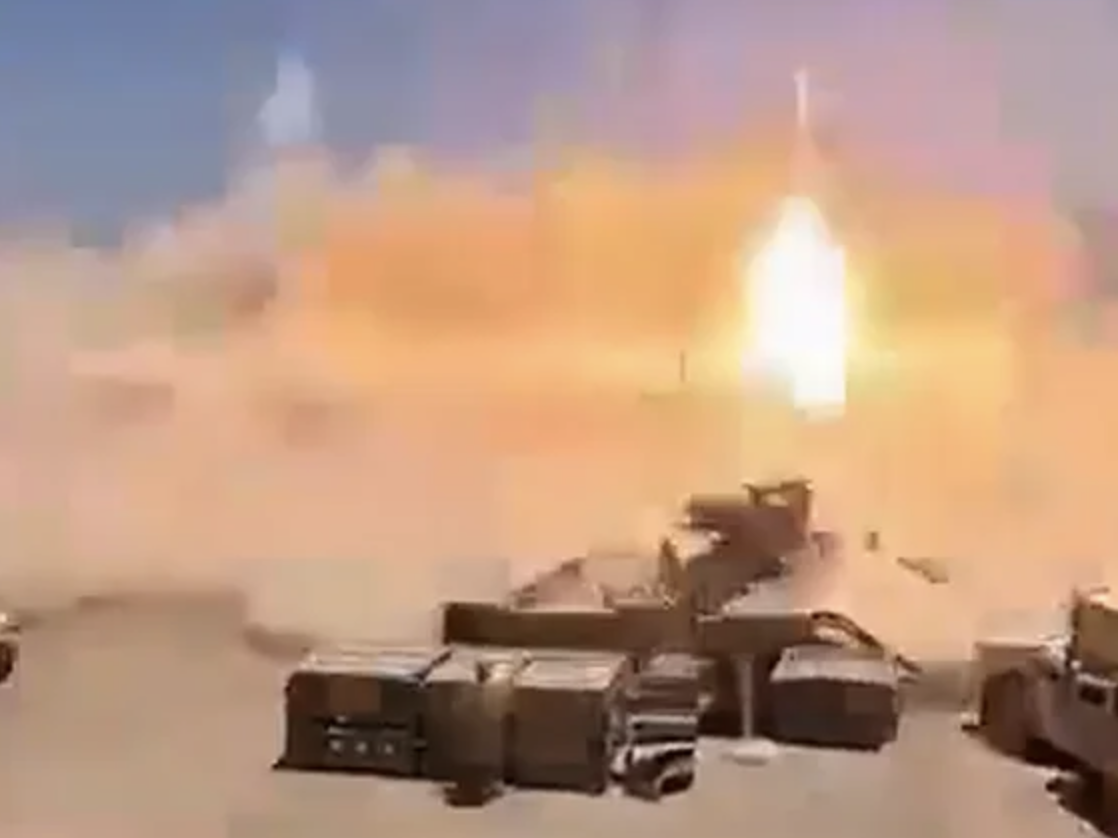
Iran did strike a U.S.-linked base in Jordan on July 17, 2026, and American service members were confirmed killed in the real attack. A day later, an account named @Aldhame711 posted a video on X claiming to show the moment itself, soldiers scrambling as explosions rip through the base, and the post spread across the platform with a caption calling the destruction confirmed.
The video pulled in 4.9 million views before most people caught what was wrong with it. People shared it next to real news of the strike, and because a real attack did happen that same week, the fake video felt like it belonged with the true story.
The Hive Moderation detection tool rated the clip 80.9% likely to be AI-generated, and a closer look backs that up. The soldiers move like characters in a video game instead of real people, the smoke repeats the same pattern instead of drifting with the wind, and the buildings look flat under light that never changes the way real sunlight does.
A few hours after posting it, the same account admitted the video was fake in the comments, calling it “just a simulation of the Iranian bombing.” By then, the video had already spread far past the point where that admission could catch up to it.
|
|
| 💨 |
The smoke repeats itself. Instead of drifting and changing the way real smoke does, the explosions in the video move in the same repeating pattern, a common sign of computer-made effects.
|
|
|
| 🛑 |
The soldiers move like game characters. Their running and turning look stiff and mechanical, the same way characters move in a military video game instead of real people under fire.
|
|
|
| 🏗️ |
The buildings look flat. Real sunlight throws shadows and reflections that shift as a camera moves. The buildings and vehicles in this video stay flat and evenly lit no matter what.
|
|
|
| 🎥 |
The camera moves too smoothly. Real footage shot during a chaotic moment shakes and jumps. This camera glides at a steady, even pace the whole time.
|
|
|
|
🚨 Video Game Footage, Not The Real Attack
Iran’s strike on the base in Jordan was real. This specific video was not footage of it. It came from a flight or combat simulator, and the account that posted it admitted as much a few hours later.
|
|
|
|
That “Shot Down” B-52 Video? Also A Video Game
|
|
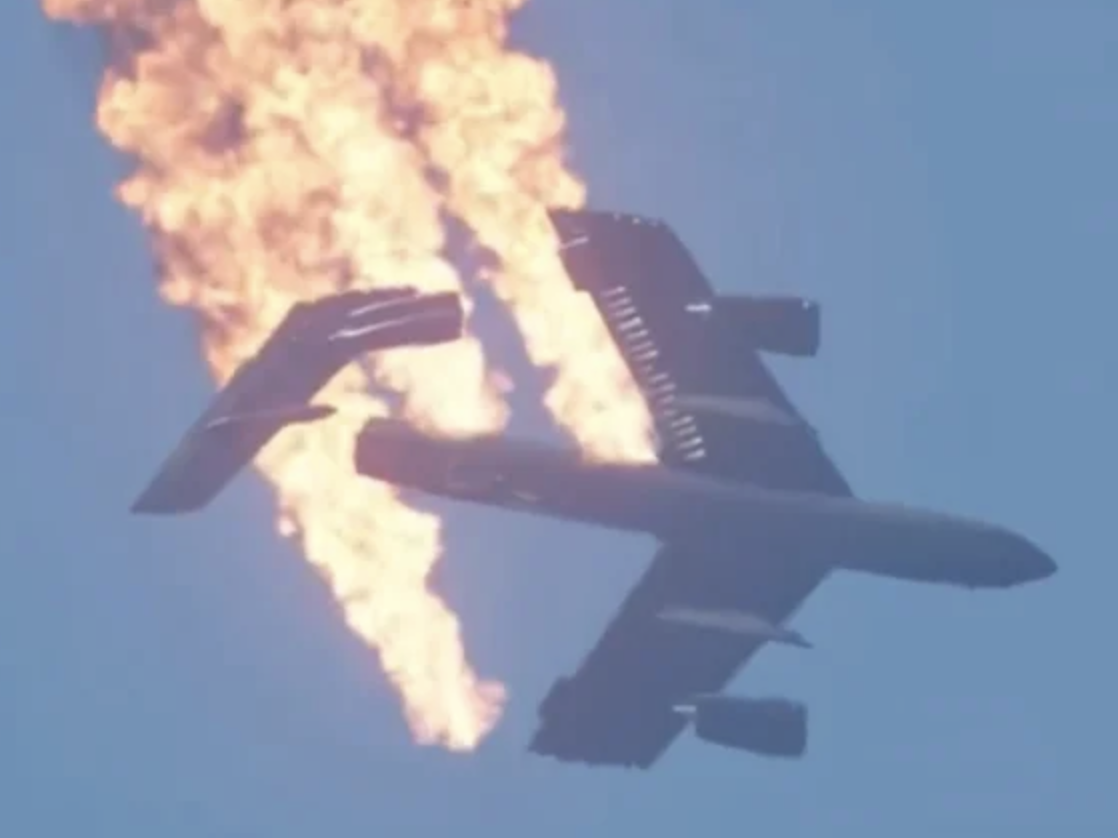
A separate account posted a video on July 18, 2026, showing what it called an American B-52 bomber getting chased and hit by a missile. No news organization anywhere reported a B-52 going down, and the video has the same fingerprints as a flight simulator: the fire and smoke stay stuck to the plane instead of blowing back with the wind, the aircraft breaks into clean, unrealistic pieces, and the camera tracks the action with a smoothness real footage never has. The clip likely came from a program like the ones people use to make realistic-looking military videos for fun.
|
|
|
That “Bicentennial” Tall Ships Photo Was Painted By AI
|
|

A photo claiming to show the Sail4th250 tall ships parade sailing past the Statue of Liberty on July 4, 2026, spread on X with a caption borrowing the name of the real 1976 event, “Operation Sail.” The event’s own communications director told Lead Stories the picture was “completely fabricated.” Three separate detection tools rated it between 79 and 99.9 percent likely to be AI-made, and up close, some of the sailors standing on deck barely look human at all.
|
|
YOUR REALITY DETECTOR TOOLKIT |
|
Today’s Skill: Separate The Real News From The Fake Footage
A real event happening doesn’t mean every video about it is real too.
|
|
01
|
Ask if the footage matches the reported facts.
The strike on the Jordan base was real, but the viral video didn’t match how news organizations described it. When a dramatic clip doesn’t line up with the reporting, the clip is usually the part that’s wrong.
|
|
|
|
02
|
Look for a flight simulator’s fingerprints.
Both fake military videos this week showed smoke that repeated itself and cameras that moved too smoothly, the same signs you’d see in a video game. Real war footage is shaky and messy, not smooth.
|
|
|
|
03
|
Check with the people who’d know.
Sail4th250’s own communications director confirmed the tall ships photo was fake within a day of being asked. A quick message to the organization behind an event can settle the question fast.
|
|
|
|
|


