Someone Cloned Mark Cuban’s Face and Voice to Sell a $294 Diabetes Cure on Facebook That Doesn’t Exist
|
|
$294
Price per victim
|
Weekly
Victim emails to Cuban
|
|
Months+
Still running
|
High
Fooled Index
|
|
|
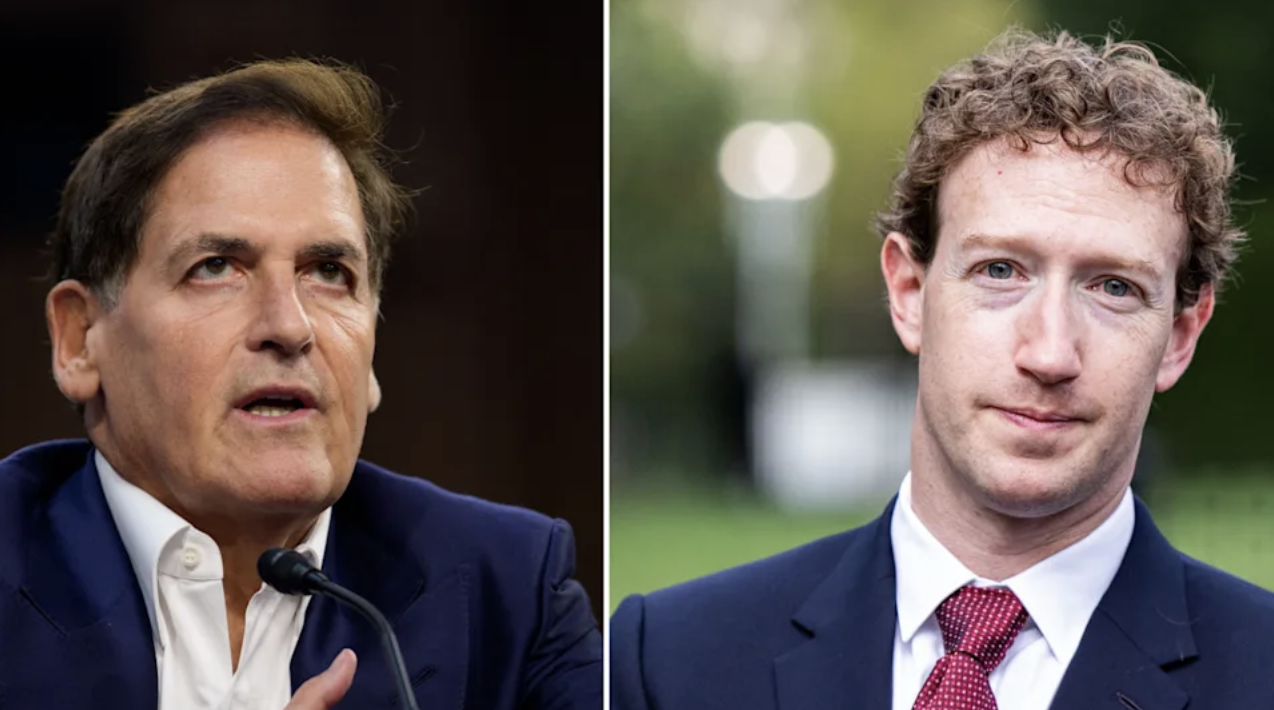
Mark Cuban, the 68-year-old investor and co-founder of Cost Plus Drugs, told Kara Swisher and Scott Galloway on the Pivot podcast that scammers have been using AI to copy his face and voice and run ads on Facebook selling a fake diabetes treatment for $294. He said he gets messages about it all the time — “every single week I get emails from little old men and ladies” asking whether the cure works or telling him they already paid for it.
The ads use a deepfake built from Cuban’s public appearances, and the pitch sounds and looks real enough to fool people into paying. Some of the ads include a tiny disclaimer at the bottom that calls the person on screen “an AI representation” and labels the clip “for entertainment,” but Cuban said that by the time anyone scrolls down to the fine print, the money is already gone. He called Facebook “the worst of the worst.”
Reuters reported that internal Meta documents showed the company expected about $16 billion — roughly 10 percent of its 2024 revenue — from ads tied to scams and banned products. Meta’s own safety staff estimated in a May 2025 presentation that the platform played a part in about a third of successful scams in the U.S., and the system needs to be at least 95 percent sure an account is running a scam before it bans the account. Below that line, the scammer just pays more per ad and keeps going.
The FBI reported that people over 60 lost $7.7 billion to online scams in 2025. Meta spokesperson Andy Stone pushed back on the leaked numbers, but Cuban’s point stands — deepfake ads using his face are still running on Facebook, and people are still paying for a product that does not exist.
|
|
| 🔊 |
Lip sync slips. In the ad, Cuban’s mouth doesn’t move on certain hard consonants while the voice plays the sounds clearly — a sign that someone cloned his voice and laid it over generated or captured video.
|
|
|
| 📝 |
A buried disclaimer. Some versions of the ad include a line at the bottom, in tiny type, admitting the person on screen is “an AI representation” and the clip is “for entertainment.” The ad told you it was fake — after the pitch.
|
|
|
| 💊 |
No product exists. Cuban co-founded Cost Plus Drugs, a real company that sells prescription medications at low markups. He has never endorsed a standalone “$294 diabetes cure,” and no such product shows up on his company’s site or in any news coverage.
|
|
|
| 📊 |
Meta’s own numbers. Internal documents showed Meta expected about $16 billion from scam-linked ads, and its system waits until it’s 95% sure an account is a scam before banning it — below that bar, the scammer just pays more per ad and stays live.
|
|
|
|
🚨 100% AI-Generated Deepfake
Someone used AI to clone Mark Cuban’s face and voice and ran the result as a paid Facebook ad selling a fake diabetes treatment. Cuban says people email him every week asking about the product or telling him they already paid $294 for it. The FBI says people over 60 lost $7.7 billion to online scams in 2025, and deepfake celebrity ads like this one are part of how it happens.
|
|
|
|
X Users Called Real Footage of the Palm Beach Plane Crash “100% AI” — PolitiFact Says They’re Wrong
|
|

https://beehiiv-images-production.s3.amazonaws.com/uploads/asset/file/6bf9ad49-6187-4537-9a9e-e04dd2f96bd4/Nov._1_plane_crash_in_Palm_Beach.png?t=1794326421
A Learjet crashed in Palm Beach County, Florida, on November 1, and everyone on board died. Aki Kuusisto, a digital creator from West Palm Beach, captured it on his dashcam and posted the footage on Facebook, and the video quickly spread to X, where users shared screen recordings of an AI detection tool and claimed the crash “was 100% AI generated.” PolitiFact traced the footage back to Kuusisto, confirmed that The Associated Press, CNN, CBS, and BBC all carried the same footage, and ran the video through Hive Moderation — which did not flag it as AI. PolitiFact rated the claim Pants on Fire, and Clemson University researcher Darren Linvill told them this is what happens when people grow so used to fakes that they stop believing real things — a problem researchers call “the liar’s dividend.”
|
|
|
AI Voices Made Russia’s Sergey Lavrov and India’s S. Jaishankar Say Things They Never Said
|
|

https://beehiiv-images-production.s3.amazonaws.com/uploads/asset/file/24b5d444-3ddc-45dc-8199-bb72635776a1/Rift.png?t=1794326425
Someone took real video of Russian foreign minister Sergey Lavrov and India’s external affairs minister S. Jaishankar and swapped the audio for AI-generated voices making fake statements about India-Russia relations. The Lavrov clip claimed he said India was “only a trading partner” with no right to advise Russia, and the Jaishankar clip claimed he felt hurt by a “sarcastic reply” from a Russian official. Prominent Indian Supreme Court advocate Prashant Bhushan shared one of the videos on X before deleting it. India’s Ministry of External Affairs flagged both clips as fake, and the Russian Embassy in India replied to the Lavrov post: “Please stop copying silly AI fakes.” The Quint ran both videos through Hive Moderation, which scored each one at 99.4% likely AI-generated speech.
|
|
YOUR REALITY DETECTOR TOOLKIT |
|
Today’s Skill: Spotting Fake Celebrity Endorsement Ads
If a famous face shows up in a Facebook ad selling you something, these three checks can keep your money in your pocket.
|
|
01
|
Search the Celebrity’s Name Plus the Product
Type “Mark Cuban diabetes cure” into Google. If no real news site or the person’s own website mentions it, the ad is a scam. Today’s deepfake ads fell apart the moment you searched for them — no news outlet, no company website, and no real product behind the pitch.
|
|
|
|
02
|
Read the Fine Print Before You Buy
Some deepfake ads bury a disclaimer at the bottom that says the person in the video is “an AI representation” and the clip is “for entertainment.” If the ad itself says it’s not real, believe it and close the page. Today’s fake Cuban ad had that exact line — in type so small you’d need to scroll past the “Buy Now” button to see it.
|
|
|
|
03
|
Talk to Your Doctor, Not Your Feed
Today’s fake ad sold a $294 diabetes treatment that doesn’t exist. Before you buy anything that claims to treat a medical condition, ask your doctor first. No real cure shows up as a Facebook ad before it shows up in your doctor’s office, in pharmacy databases, and in real news coverage.
|
|
|
|
|