The National Weather Service Posted a Wind Forecast for ‘Whata Bod’ and ‘Orangeotild.’ Those Idaho Towns Don’t Exist
|
|
10%
Wind Chance for “Orangeotild”
|
~2 days
Posted Saturday, Pulled Monday
|
|
0
Real Towns With Those Names
|
Low
Fooled Index
|
|
|
|
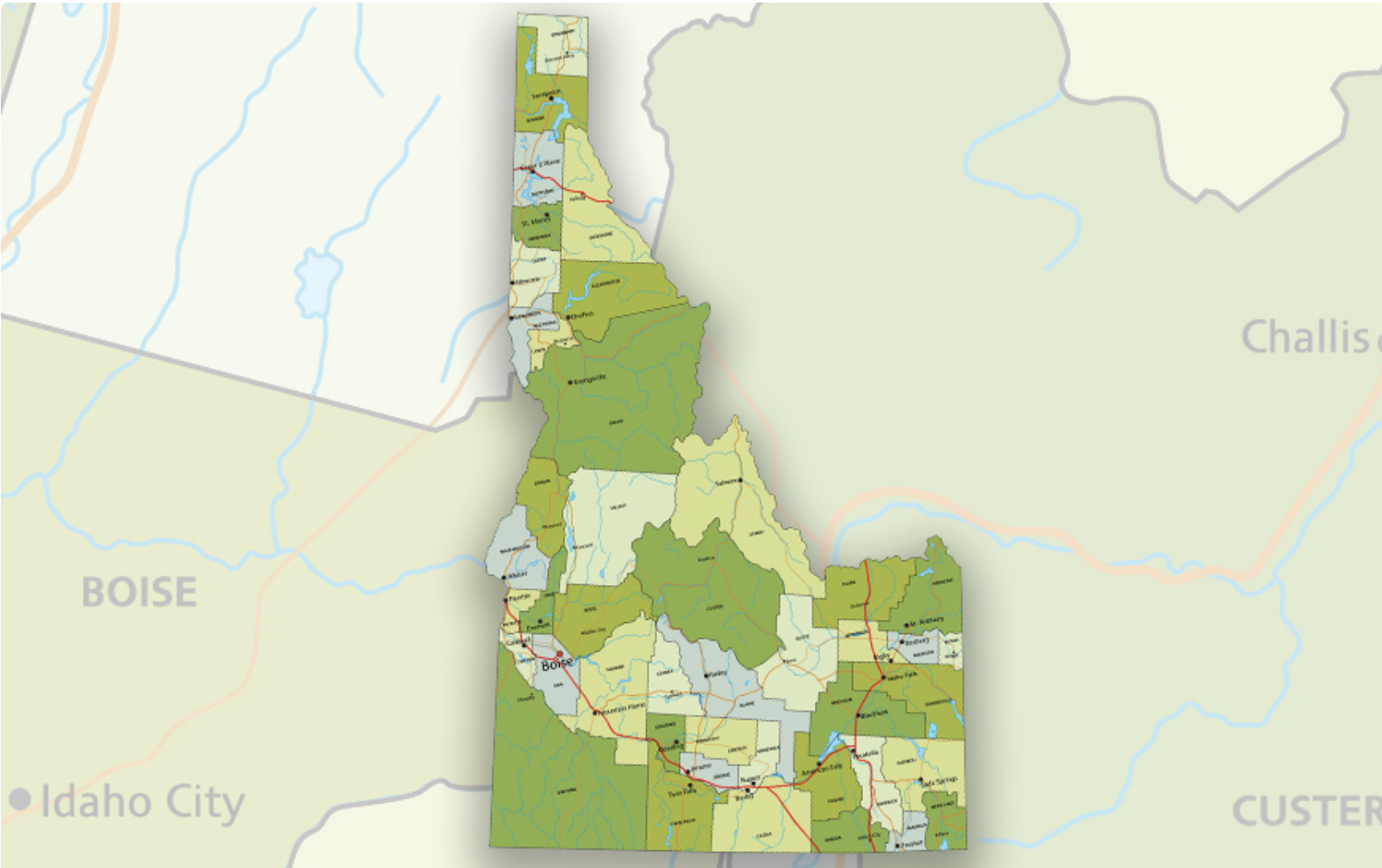
AI-MADE MAP — An official-looking forecast with towns that don’t exist.
|
|
On the weekend of Jan. 3, 2026, a National Weather Service office posted a wind forecast graphic for the Camas Prairie area of Idaho. Among the towns on the map were “Orangeotild,” which had a 10 percent chance of high winds, and “Whata Bod,” which would be spared the bigger gusts. Neither place exists. The Washington Post broke the story, and the Weather Service confirmed that AI was involved.
NWS spokeswoman Erica Grow Cei said a local office “used AI to create a base map to display forecast information,” but the map showed illegible city names by mistake. The graphic was taken down on Monday, the day the Post asked about it, and a corrected version was posted.
The agency told the Post that using AI for public-facing content is uncommon but not prohibited, and that it is exploring AI where it makes sense. The Post also noted that in November 2025, the Weather Service office in Rapid City, South Dakota, posted a map with illegible place names that drew mockery. The agency did not say whether that earlier map was made with AI.
Weather communication expert Chris Gloninger told the Post he doesn’t object to using AI to help fill gaps, but he feared that inventing towns that don’t exist damages public trust. A fake town on a breezy day is funny. The same kind of mistake on a storm warning would not be. If a map or alert looks off, check the official forecast at weather.gov and your local news before you act.
|
|
| 🗺️ |
The towns don’t exist. “Orangeotild” and “Whata Bod” are not real places.
|
|
|
| 🏛️ |
The agency confirmed AI. The Weather Service said a local office used AI to create the base map.
|
|
|
| 🗑️ |
It was pulled and corrected. The graphic came down on Monday and was replaced with a fixed version.
|
|
|
| 📅 |
It wasn’t the first odd map. A Rapid City map with illegible place names drew mockery in November 2025, and the agency didn’t say whether AI was used.
|
|
|
|
🚨 AI Invented Towns on an Official Map
The towns on that wind-forecast map were invented by AI, and the National Weather Service confirmed a local office used AI to make the base map. The error was caught and fixed, but it shows that even official graphics can contain AI mistakes.
|
|
|
|
That Leaked ‘Mass Effect’ Trailer Many Fans Called an AI Fake? It’s Real, and the Game Was Canceled
|
|
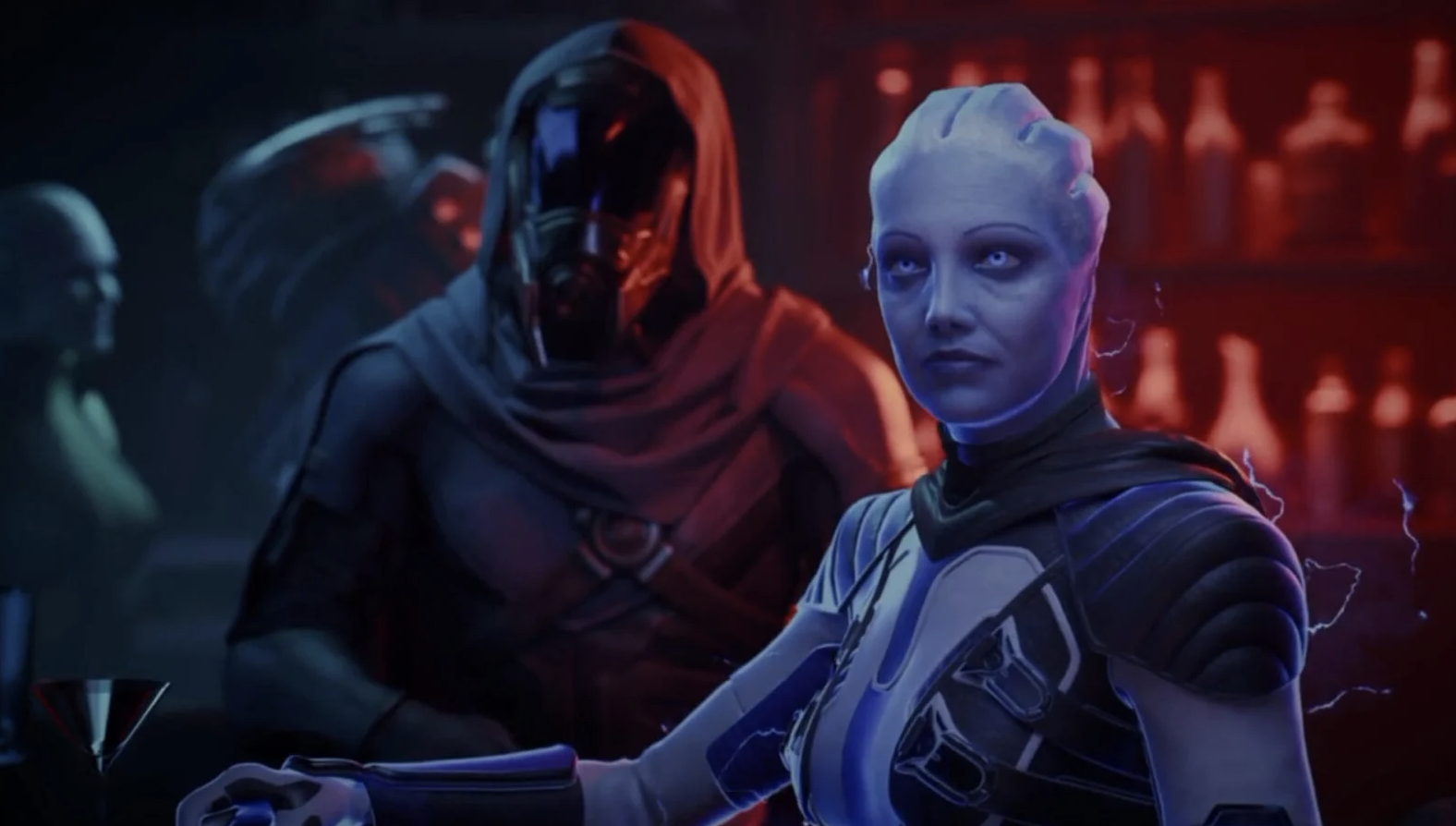
On Oct. 21, 2026, EA announced it was shutting down BioWare, the studio behind the Mass Effect video games. The next day, a trailer of about two minutes, titled “Mass Effect: Universe,” appeared on Reddit, posted from a burner account by someone who claimed to be an EA employee. Some fans suspected an elaborate AI hoax, and one game site admitted that in an age when faking is easy, it was hard to say for sure. Later that day, Bloomberg reporter Jason Schreier, who covers the game industry, confirmed through his sources that it was a real trailer for the game BioWare had been developing. It is an in-engine trailer built from pre-production assets, with no gameplay, so it is not a preview of anything anyone can play. The person who leaked it hasn’t been identified. The case shows that a believable video can be real, and that a named reporter with sources can settle the question better than guessing.
|
|
YOUR REALITY DETECTOR TOOLKIT |
|
Today’s Skill: Ask Who Has Confirmed It
A named source with a track record beats a hunch every time.
|
|
01
|
Look for a reporter who has checked it
Fans argued for hours over whether the trailer was AI until a game-industry reporter confirmed it. A named reporter with sources is stronger evidence than a gut feeling or a detector.
|
|
|
|
02
|
Look for the official statement
The Weather Service confirmed AI was used and fixed the map once the Post asked. Agencies and companies often explain a mistake once someone points it out.
|
|
|
|
03
|
For weather, go to the official source
A social media graphic can contain mistakes. If a map or alert looks off, check weather.gov and your local news before you act on it.
|
|
|
|
|


