That ‘Real Footage’ of Where Your Food and Air Pipes Split? It’s AI, and the Anatomy Is Wrong
|
|
99.9%
AI Probability (Hive)
|
10 sec
Length of the Clip
|
|
194K+
Followers the Account Claims
|
Medium
Fooled Index
|
|
|
|
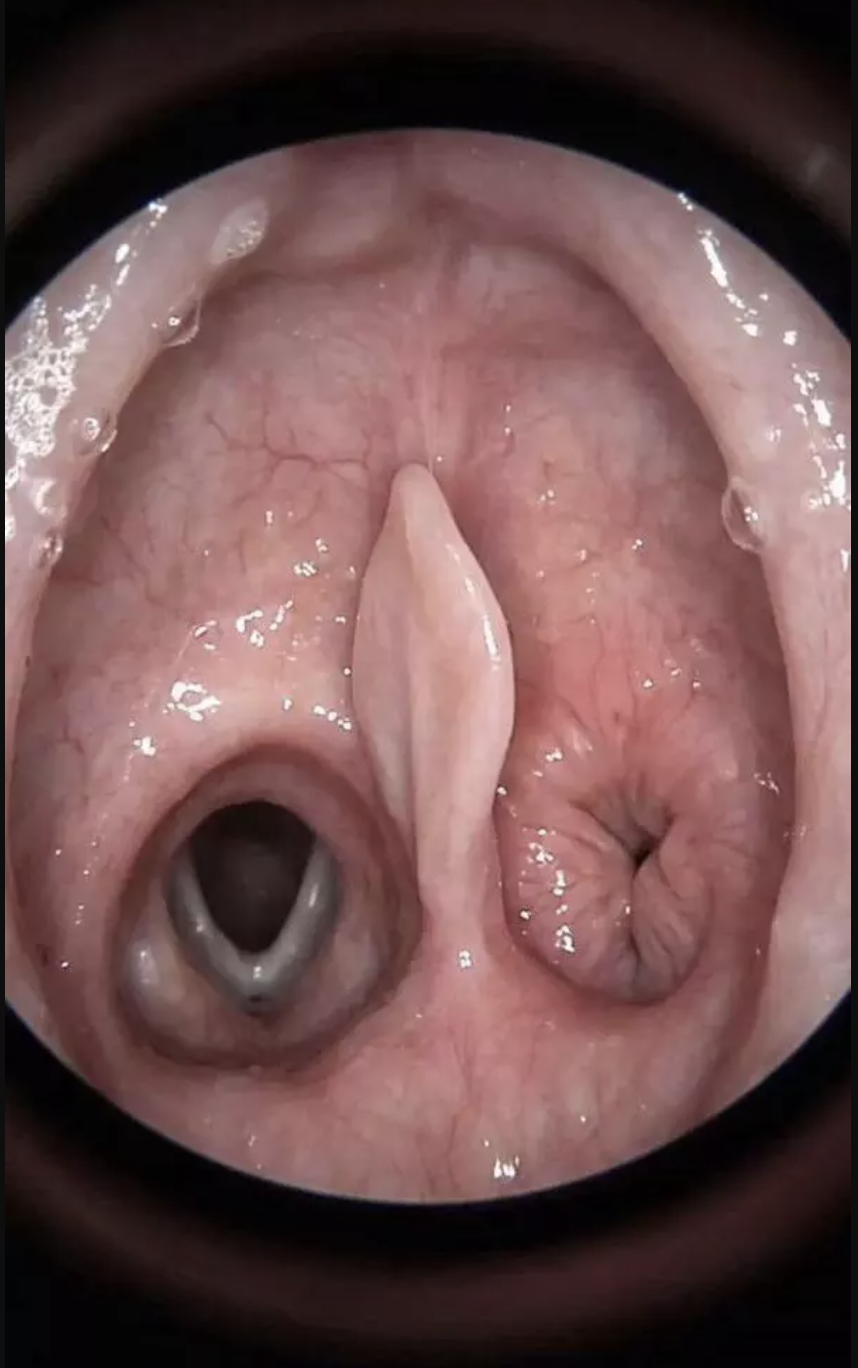
AI-GENERATED — A scope-style view that looks real, with anatomy that isn’t.
|
|
On Oct. 24, 2026, an X account called @Doctors__squad posted a ten-second clip captioned “Real Footage: The Junction Where Your Food and Air Pipes Split.” It looks like the view from a medical scope inside a throat, with a dark frame, a round window in the middle, and a date stamp in the corner. The account describes itself as a general physician and medical educator in New Delhi, with more than 194,000 followers.
The footage is fake. Lead Stories ran it through two detectors. Hive Moderation rated it 99.9% likely to be AI-generated video, and Google’s SynthID Detector found a watermark showing it was made or edited with Google AI. The date stamp gives it away too. It reads 2023-10-27 14:32:15, but during the ten-second clip the seconds read 15, 16, 14, 16, 17, 18, 17, 18, 17, 18, 19, then 10, so the clock doesn’t tick like a clock.
The anatomy is wrong, too. In a real body, the windpipe (larynx) and the esophagus are not side by side where they meet. They are staggered below the throat, with the larynx toward the front of the neck and the esophagus behind it, as a CDC diagram shows. The fake shows two holes side by side with a leaf-shaped paddle between them that acts like a switch gate. The epiglottis really is a small leaf-shaped piece of cartilage that helps protect the airway when you swallow, according to the Cleveland Clinic, but it doesn’t work like the paddle in the clip. In the video, a bit of food even crosses over the flap and into the windpipe, which in a real person would mean food going down the wrong way, and probably coughing or choking.
Lead Stories said it contacted the account’s owner and will update its report if it hears back.
|
|
| 🎯 |
Two checkers flagged it. Hive rated the clip 99.9% likely to be AI, and Google’s SynthID Detector found a Google AI watermark.
|
|
|
| ⏱️ |
The clock doesn’t count. The seconds on the date stamp jump up and down and end on 10, in a clip that lasts ten seconds.
|
|
|
| 🔍 |
The anatomy is wrong. The windpipe and esophagus aren’t side by side, and the leaf-shaped flap doesn’t work like a switch gate.
|
|
|
| 🍽️ |
The food goes the wrong way. A morsel enters the windpipe, which in a real person would mean coughing or choking.
|
|
|
|
🚨 AI-Made ‘Medical Footage’
This is not real footage from inside a throat. It is an AI-generated video with a scope-style frame, a clock that doesn’t count, and anatomy that doesn’t match a real body. If it were real, the person would be choking.
|
|
|
|
Google Let Anyone Add AI Images to Its Satellite Maps. It Pulled the Feature After One Day
|
|
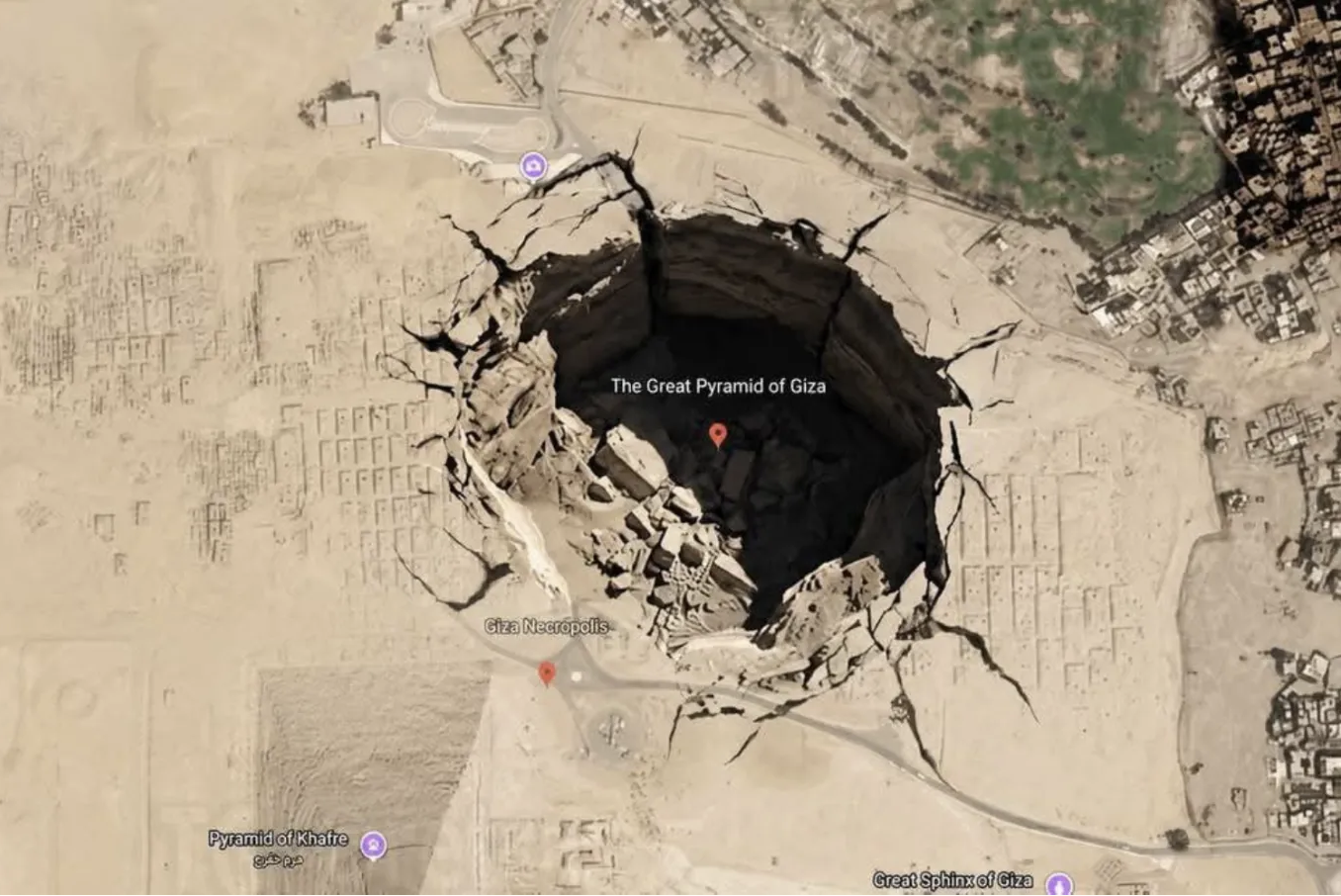
On July 30, 2026, Google added its Nano Banana 2 image generator to Google Earth on the web. It let people type a prompt and generate custom images that sat on top of real satellite, aerial, and 3D imagery of places around the world. Within a day, people were sharing fake scenes, including a toppled Eiffel Tower and a giant hole where the Great Pyramid should be, along with made-up disaster scenes and memorials, according to Newsweek. On July 31, Google rolled the feature back, saying it had seen screenshots of generated imagery that appeared to violate its policies and that it would work on stronger guardrails. Google said the images carried a hidden SynthID watermark and did not appear in the main Earth view for others to see. Critics pointed out that a hidden watermark doesn’t help once a screenshot spreads, and BBC Verify testing reportedly found the watermark could be bypassed in some cases. Google itself acknowledged that people “uniquely trust” Google Earth for a reliable view of the world.
|
|
YOUR REALITY DETECTOR TOOLKIT |
|
Today’s Skill: Check the Clock, the Facts, and What the Label Can’t Do
Even a trusted-looking source can show you something made up.
|
|
01
|
Check the numbers on the screen
The throat video’s timestamp didn’t count like a clock. A timer, date stamp, or counter that jumps around is a clue the footage was made, not recorded.
|
|
|
|
02
|
Compare a science clip with a trusted reference
The CDC diagram and the Cleveland Clinic show how the airway really works. For health and science clips, check a major hospital or government source before you share.
|
|
|
|
03
|
Remember a hidden watermark doesn’t travel
Google’s map images carried an invisible watermark, but screenshots spread without it. A label you can’t see isn’t protecting you, so judge the picture itself too.
|
|
|
|
|


