The Pope Warned the World About AI — Then People Said AI Helped Write the Warning
|
|
May 25
Letter published
|
94%
Scored human
|
|
0
Proof found
|
Medium
Fooled Index
|
|
|
|
UNPROVEN — The letter is real. Whether AI helped write it is a guess, not a finding.
|
|
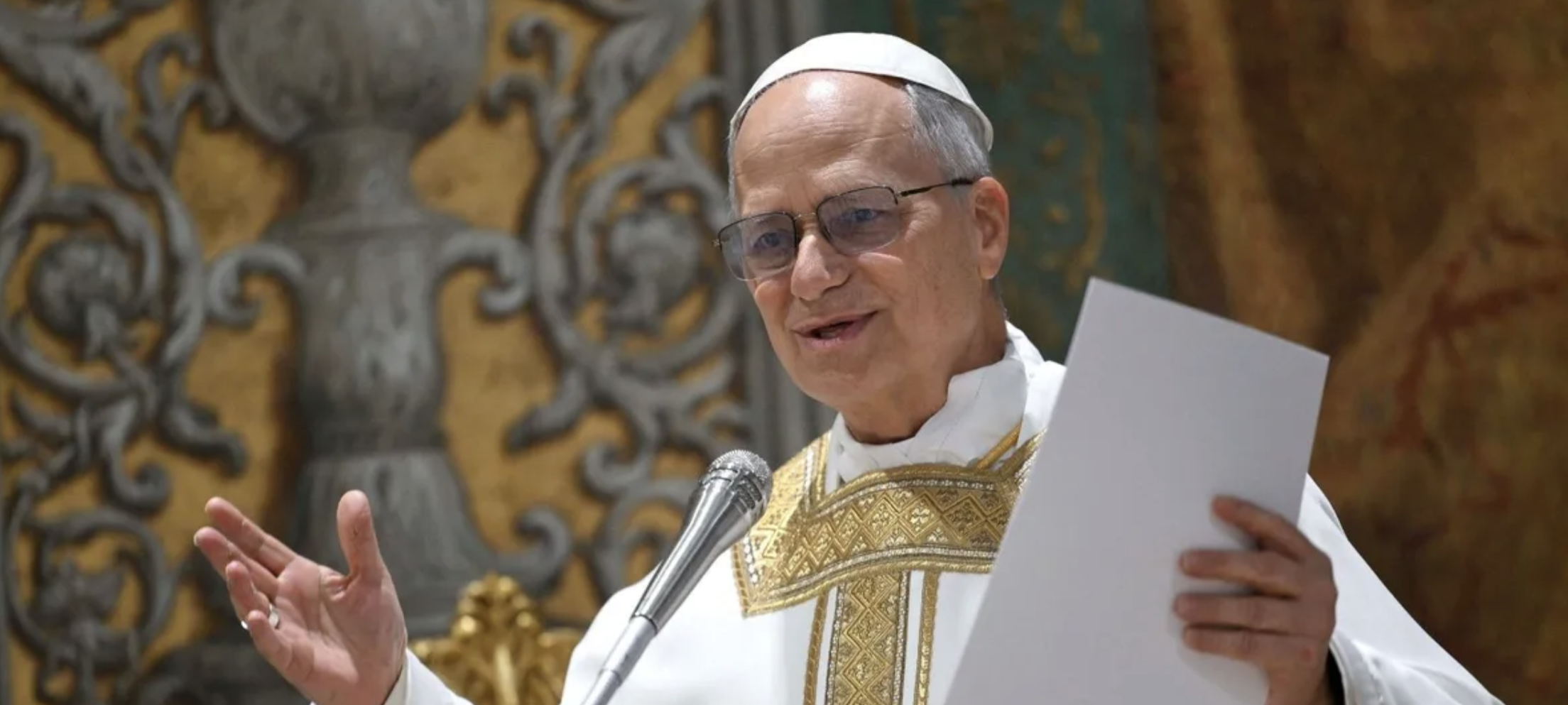
On May 25, the Vatican published Pope Leo XIV’s first big letter, called “Magnifica Humanitas,” which is Latin for “Magnificent Humanity.” In it, Leo says AI needs to be “disarmed” and steered toward the common good, and that people need to guard what makes them human in a time of smart machines. He said much the same thing in a speech the same day.
The next day, the tech site The Verge ran a story asking whether the Pope used AI to write the letter that warns about AI. The story leaned on a long online post by an AI researcher named Linch Zhang. Zhang made one thing clear three times: he thought some Vatican staff, not the Pope himself, might have leaned on AI. The Verge left that part out, so the version that spread online was the juicier one, that the Pope did it.
Zhang based it on a tool called Pangram that tries to guess whether writing came from a person or a machine. Pangram looked at the letter and put it at 94% the work of a person and 4% machine. That is mostly human, not a smoking gun, and a guess from a tool is not the same as proof.
Snopes dug through the evidence and found a few things that raised an eyebrow, but nothing that proved the Pope, his staff, or anyone else used AI. Without the Vatican saying so, there is no way to know for sure. So the honest answer is that we don’t know, and one score from a detection tool can’t settle it.
|
|
| 📜 |
The letter is real. The Vatican really did publish the Pope’s letter on May 25, and it really does warn about AI. That part isn’t in question.
|
|
|
| 🔢 |
A score is a guess, not proof. The whole claim rests on a tool that guessed the text was 94% human. That leaves it mostly human, and a percentage is not a confession.
|
|
|
| ✂ |
A key detail got dropped. The researcher said he suspected Vatican staff, not the Pope. The headline that spread blamed the Pope, because that version travels further.
|
|
|
| 🏛 |
Only the Vatican can settle it. Nobody can say for sure whether AI touched the letter unless the Vatican says so, and it hasn’t. Until then, it’s a question, not a fact.
|
|
|
|
❓ We Honestly Don’t Know
The Pope’s letter warning about AI is real. Whether a person or a machine helped write parts of it rests on one detection tool that called it mostly human, and on a researcher who pointed at staff, not the Pope. Nobody has proof either way, so the only honest answer today is that we can’t tell.
|
|
|
A Heartfelt Story About a Georgia Teacher Quitting Went Viral. The Teacher Isn’t Real. |
|
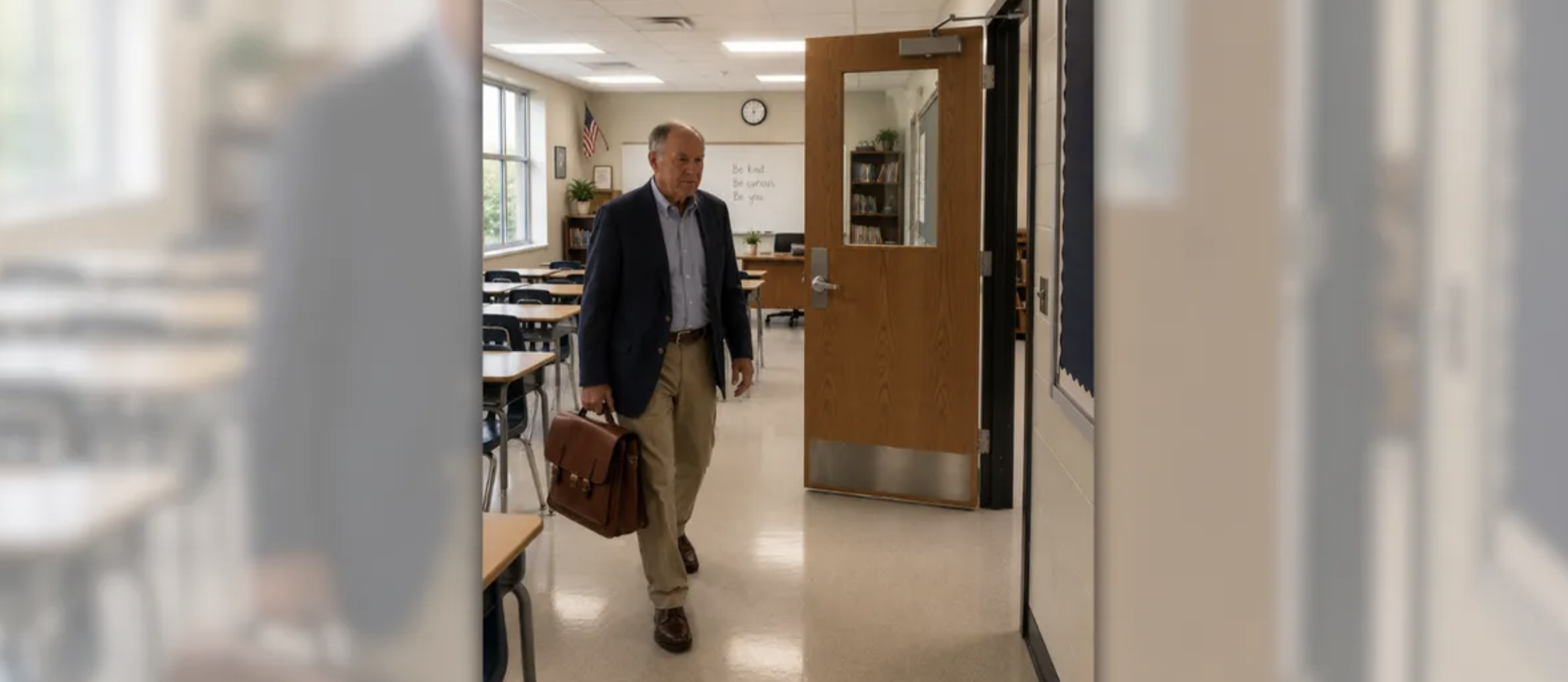
A long, touching post said a 65-year-old Georgia history teacher named Elias Vance walked out after 35 years because a board called his Civil War lessons “controversial.” No Georgia paper and no national outlet ever reported it, because it didn’t happen. Snopes traced the post to a Facebook account that showed signs of using AI for both the words and the photo. The bigger tell: the name “Elias Vance” keeps showing up as the hero in other made-up stories, because AI tools reach for the same invented names again and again.
|
|
A Video Shows Pope Leo XIV Praising Islam in Words He Never Said. |
|
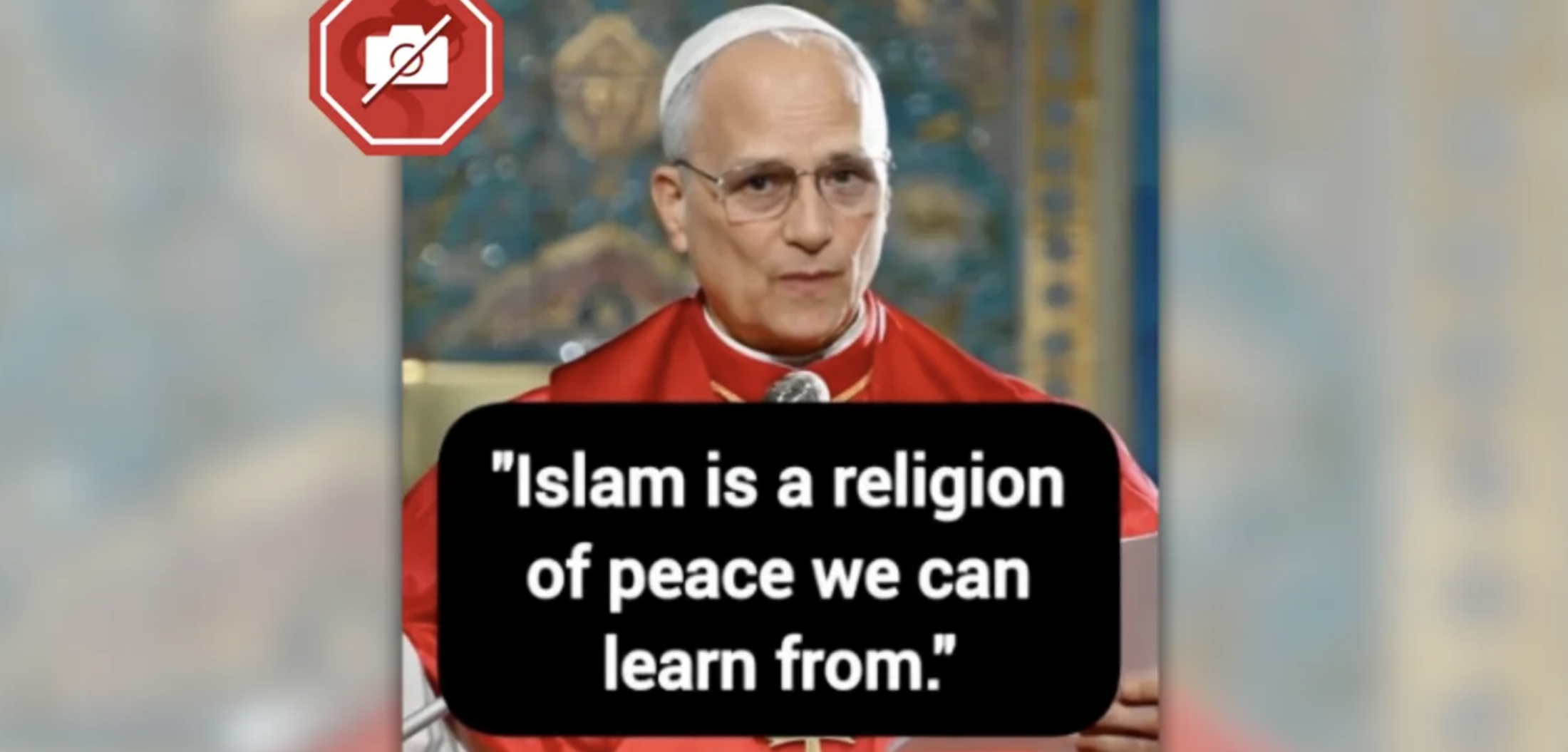
A video spread on X and Facebook in late May showing Pope Leo saying, “Islam is a religion of peace we can learn from.” The Pope has spoken warmly about Christians and Muslims living and working together, but he never said that line. Someone built the clip with AI on top of older real footage of him, and a search of his actual speeches on the Vatican site turned up nothing like it.
|
|
The White House Posted a Fountain “Before and After.” The Pictures Are Real, the Story Isn’t. |
|
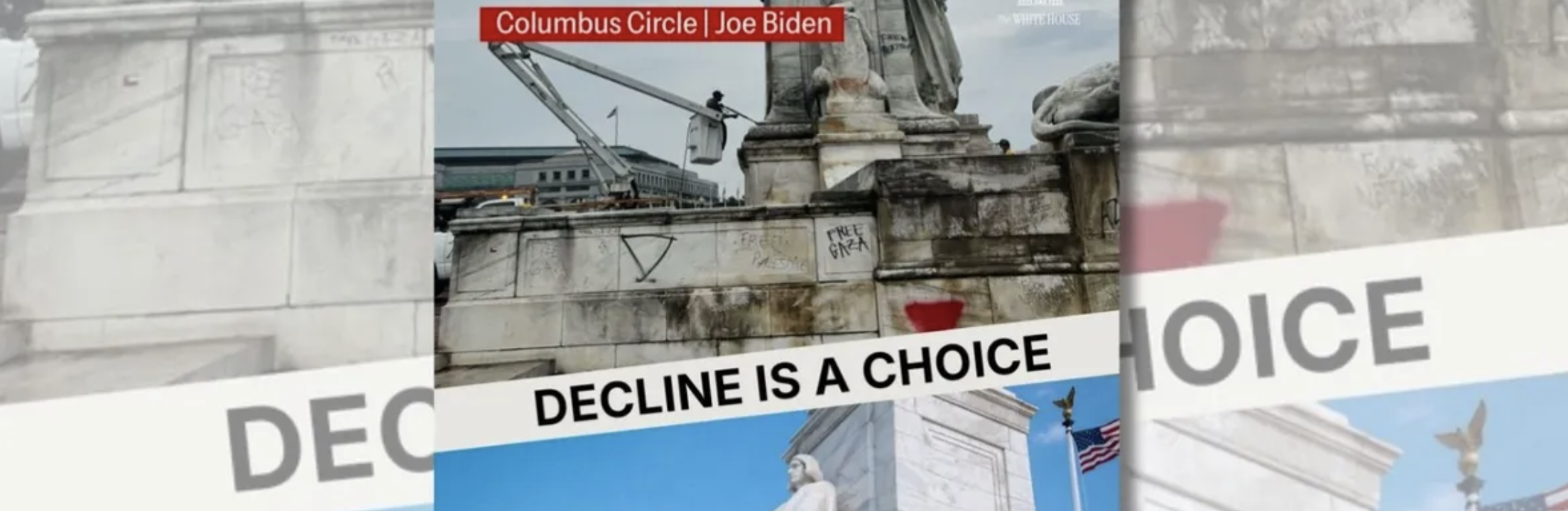
The White House shared a side-by-side of the Columbus Fountain in Washington: clean under Trump, filthy and covered in graffiti under Biden, split by the words “Decline is a choice.” Both photos are real. But the messy one was taken right after protesters vandalized the fountain in July 2024, and crews cleaned it up the very next day. So the photo doesn’t show a slow slide at all. It shows a single bad day, caught at the worst moment.
|
|
YOUR REALITY DETECTOR TOOLKIT |
|
Today’s Skill: A Score Is Not a Verdict
The Pope story shows why an AI-detector number can’t settle anything on its own.
|
01 |
A percentage is a guess
The whole Pope story rode on one tool that scored the letter 94% human. A detector gives you odds, not proof.
|
|
|
02 |
Read past the headline
The researcher blamed staff, not the Pope, but the headline blamed the Pope because it spreads better. Check whether the headline matches what the source actually said.
|
|
|
03 |
Wait for the people who’d know
Only the Vatican can say if AI touched the letter, and it hasn’t. When the one group that knows hasn’t spoken, treat it as an open question.
|
|
|
|
|


